Saw X (2023) | I Saw a Saw Saw
Ah, the Saw franchise. I remember when the first film came out and how it was often compared to Eli Roth movies like Hostel as something that belongs in the “torture porn” subgenre of horror. If you’ve never seen the original film and that’s a reason you’ve been avoiding it, I would say you’re missing out because it’s not really that type of movie—it’s the best movie in the franchise, as far as I’m concerned. The first is a mystery thriller with some graphic moments, but it rarely lingers or revels in the gore like the name might suggest.
This misconception about the first movie led to it becoming the thing people claimed it was in its various sequels. Each additional film would try to one-up the other on trap complexity and gory spectacle while also getting a more convoluted plot, as the writers would try to work in new twists to a series of movies that had killed its main villain only a few movies in. I definitely lost interest after a while and cannot claim that I’ve seen every movie in the franchise. At last, we come to the tenth installment, nearly 20 years since the first film, and it’s the first in a long time I have heard positive buzz surrounding it. With Saw X returns the only remaining character that is the least bit compelling, even if the movies try to argue he isn’t a serial killer.
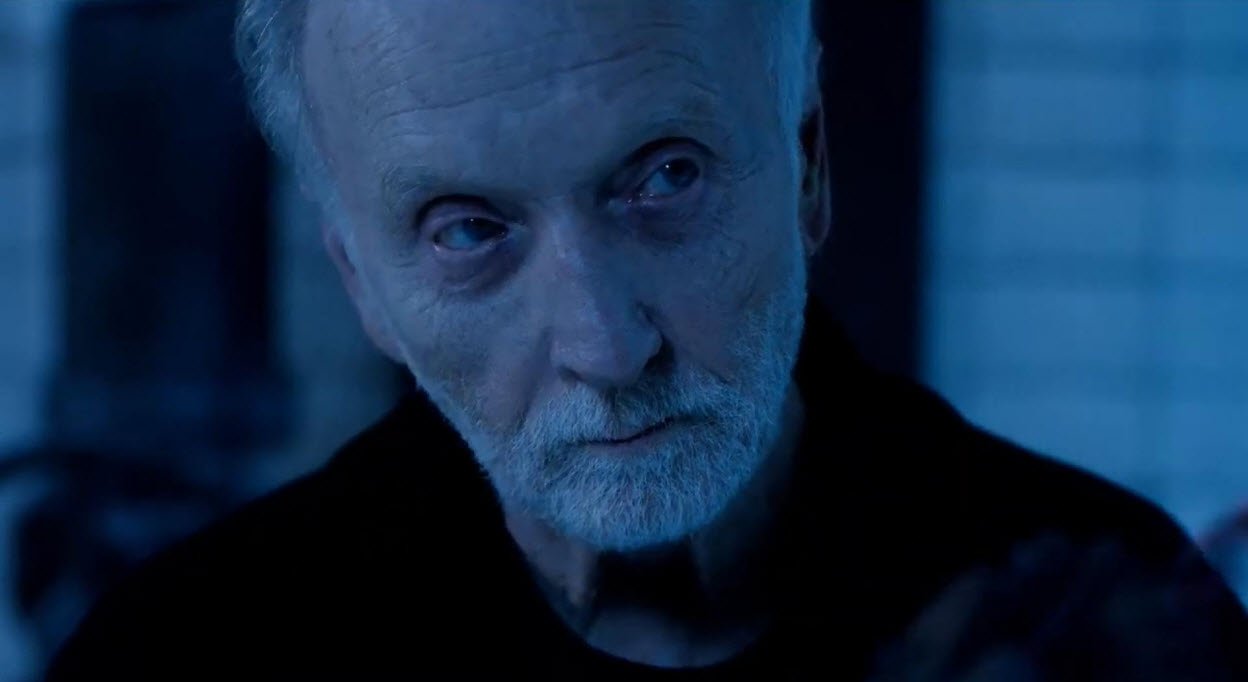
Image: Lionsgate
Pros
First act that focuses on characters is not bad
Practical effects look good
Cons
Traps and their difficulty are inconsistent with the “goals” of Jigsaw
Attempts at twists are weak
Acting from most of the cast is not good
Direction is not great, with some dull camera work to make scenes feel less interesting
Final trick and trap are dumb
Stop trying to convince me that Jigsaw is not a murderer
Plot & Thoughts
John Kramer, aka Jigsaw (Tobin Bell), is receiving treatments for his terminal cancer—if you have seen the other Saw movies, this gives you a general idea of where it takes place in the convoluted timeline of this movie series. In between attending group sessions with other terminal patients and cancer treatments, he’s designing new traps for potential victims of his warped form of personality rehabilitation. One day, a man who was in one of his group sessions, Henry (Michael Beach), encounters him in public and tells him about a revolutionary treatment that cured his cancer. Kramer can’t believe it but is eager to hear more.
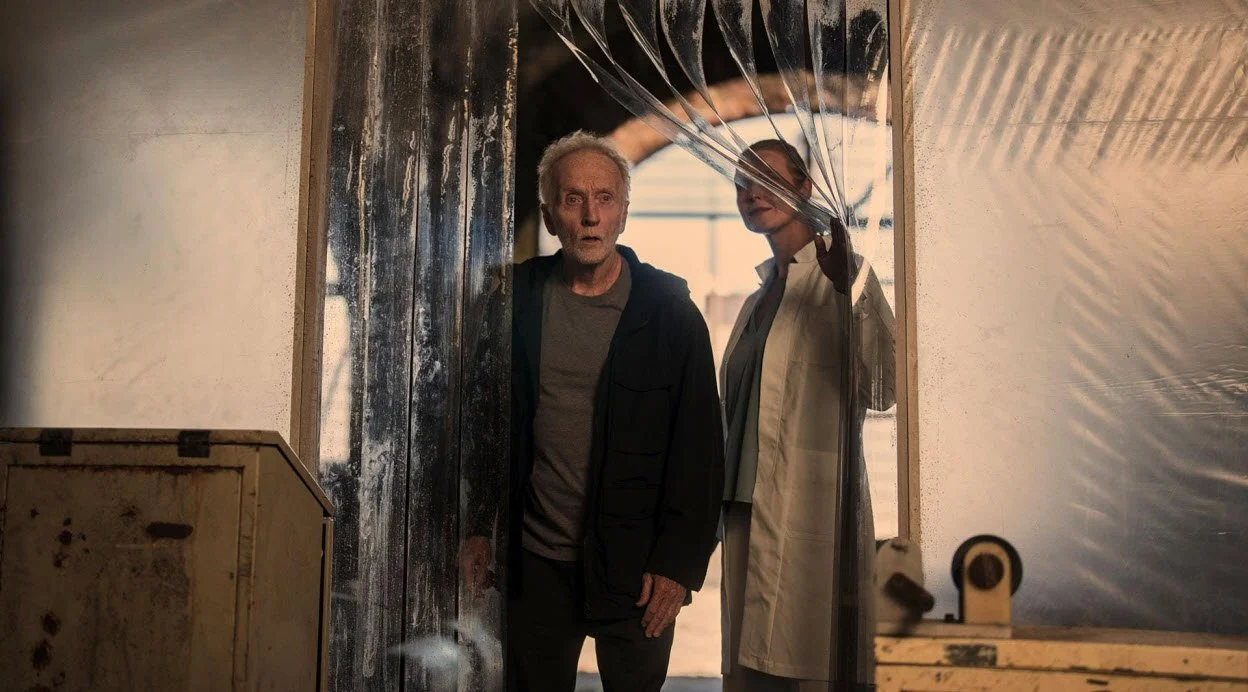
Image: Lionsgate
Kramer looks up the company performing the procedures with the link Henry provided him, which brings him to Dr. Cecilia Pederson (Synnøve Macody Lund). Her revolutionary techniques are allegedly not FDA-approved and run counter to the desires of the big medical companies, forcing her and her company to operate illegally in different parts of the world as some philanthropic treatment organization…that still accepts substantial payments from its patients. Kramer flies to Mexico, rides in a taxi to a discreet location, and enters the facility that seemingly has everything they need to cure him of his cancer. It all seems to go well, and Kramer recovers quickly from the operation, rejuvenated with enough hope that he starts tossing away plans for his next Jigsaw traps. However, when he makes his way back to the facility with the intention of giving a gift to one of the staff, he finds the place abandoned, apart from some very obvious evidence that the whole thing was a scam and they didn’t actually operate on him. You can guess what happens next, since Jigsaw is not exactly a guy who passes on an opportunity to punish people.
Saw X is at its best in the first act, in which everything I’ve described is taking place. It’s giving us more of a character and a perspective of Jigsaw than we’ve gotten from most of the other films. It’s an attempt to humanize him that mostly works in that part of the movie, while it fails in the later portions. It’s not flawless, as there are plenty of things I could nitpick, but the best part of Saw X is when it is not trying to be a Saw movie.
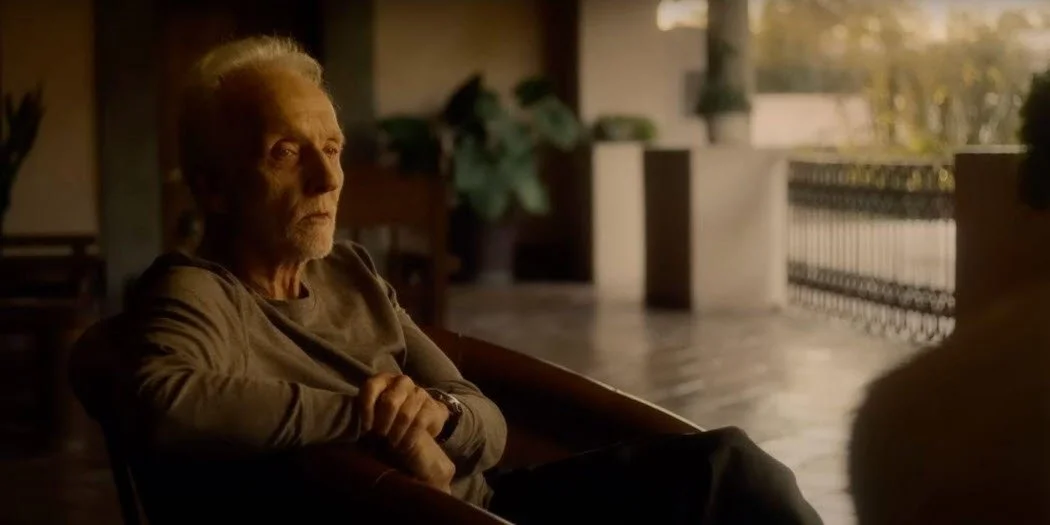
Image: Lionsgate
One particular thing that irritated me about Saw X ties back to this idea that manifested after the very first film. In the first movie, there is a character who survives a Jigsaw trap named Amanda (Shawnee Smith), who would go on to be one of Jigsaw’s apprentices—she shows up later in Saw X, and her acting is not great. During police questioning in the first movie, Amanda says, “He helped me,” to suggest that her experience of nearly being murdered by a serial killer who very specifically targets people and their vices as a poetic method of judgment has given her a new perspective, and it’s made her realize the value of life. If it were one movie, that line works just fine as something someone who was a junky trying to turn their life around after nearly dying. Unfortunately, that line was then extrapolated and expanded in the sequels to mean something else about who Jigsaw was and his motivations.
In the first movie, Jigsaw comes across as a bitter and jealous man who is destined to die of cancer and hates people who do not value their lives, targeting those whom he considers to be less than him and worthy of judgment. He creates traps for his victims that are meant to insult the person as much as they tie into the particular weakness of the victim with some sort of malicious, poetic flair. Amanda’s decision to improve her life after escaping a trap (that was far easier to escape than any other in the movie) is just a coincidental by-product of Jigsaw’s actions that is meant to raise some interesting ideas, and that’s it.
In the sequels, Jigsaw’s motivations for murder are tied to Amanda’s experience and fundamentally change the character from a merciless serial killer who takes pleasure in punishing those who do not value life as much as he does, to a man who wants to rehabilitate people into being better humans by placing them in dangerous and deadly scenarios that bring gory and violent ends to those “not strong enough” to succeed. There has been a weird attempt in these movies to say that “Jigsaw doesn’t kill people; the victims kill themselves because they’re the ones who initiate the traps and are too weak-willed to win.” That’s like saying, “I didn’t hit the pedestrian with my car; they just didn’t get out of the way fast enough.” It’s a stupid logic that has been used to justify why he would get an apprentice (or two), as well as a method to try to make Jigsaw a more sympathetic individual as a character. Saw X’s opening act is a better attempt at doing this by showing his struggle with cancer and his desire to survive, but it does not change the fact that Jigsaw is still a serial killer. It also does the movie no favors when it doubles down on this stupid logic in later acts. Some characters call it out when a trap does not activate until the victim does something, ignoring that another trap’s timer was started by Jigsaw earlier. When Jigsaw says, “We don’t kill,” in Saw X, I rolled my eyes so much I thought they might get sucked out by the trap featured in the marketing material.
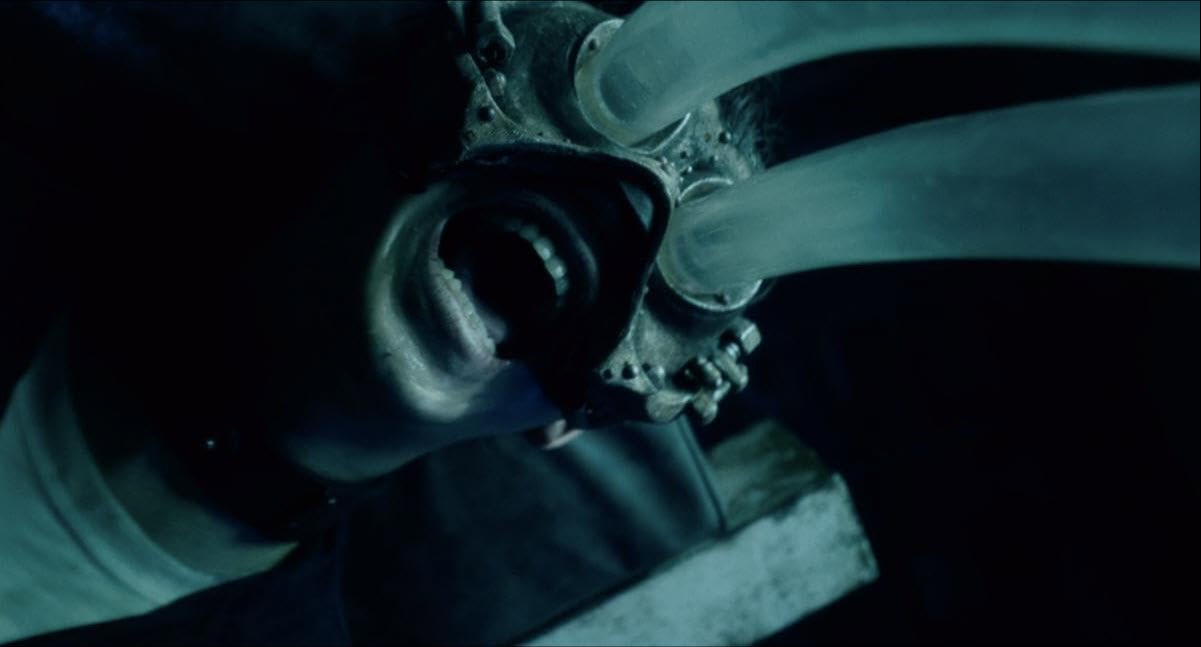
Image: Lionsgate
In addition to this idiotic logic, there are the other usual failings of a Saw movie on display in this sequel. While the traps and their aftermath are quite creative and gory, their designs are inconsistent. There always seems to be at least one trap that is significantly less demanding than the others. Which one sounds more difficult to accomplish in a short amount of time?
Smash one hand and one foot with a hammer enough that they can fit through some shackles before you are killed by a heat ray.
Saw through your entire thigh with a wire saw and extract a sufficient volume of bone marrow from your femur to fill a tray that will disable the trap in under 3 minutes.
Drill and cut into your own skull, remove the skull fragment, cut into your brain, extract enough grey matter to then place on a scale that will disable the trap in under 3 minutes.
I’m not saying I would be great in any of those situations, but 1 seems a lot easier to accomplish and has the least impact on my body if I survive. If Jigsaw’s whole point is “rehabilitating” his victims into valuing their lives more, why make someone cut out parts of their own brain? Do you think they’ll value their life more having survived with less brain tissue? What if they cut out a part of their brain that would allow them to feel what Jigsaw wants them to feel? By the way, all Amanda had to do in the original Saw was cut into another man’s body and extract a key for her mask before the trap destroyed her head—no bodily harm to her whatsoever.
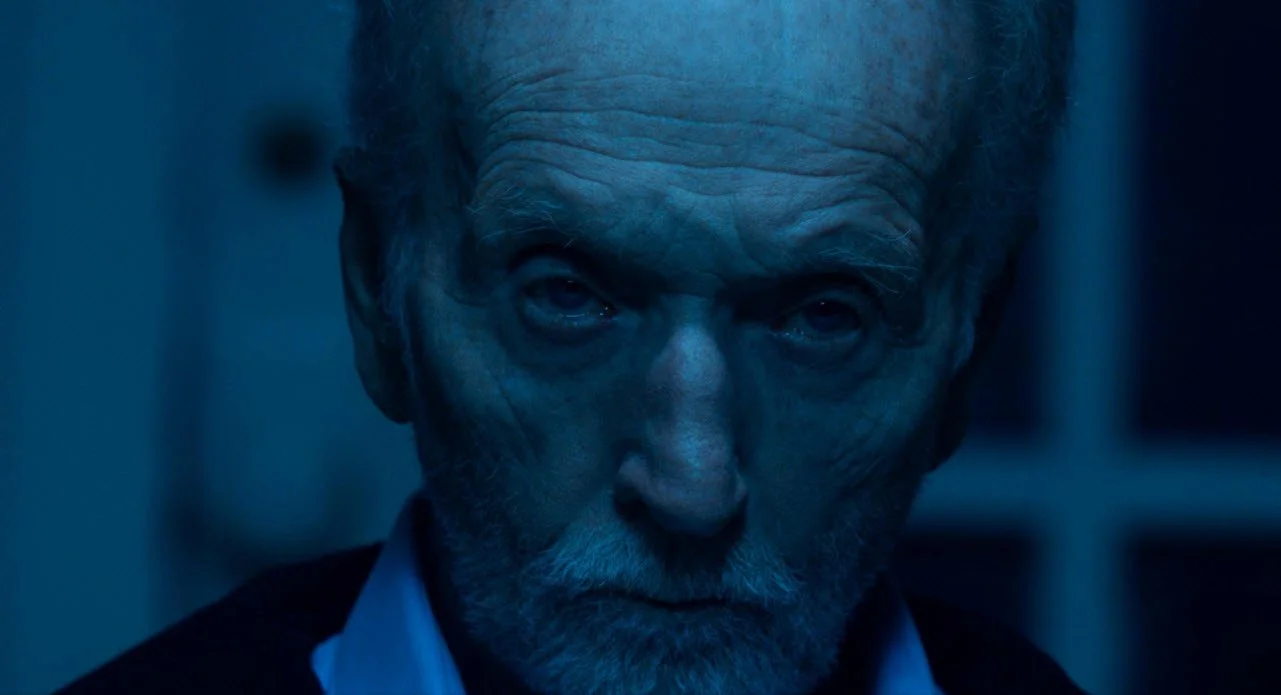
Image: Lionsgate
The last thing I’ll mention is that Saw X is not a great-looking film, and I’m not referring to the practical effects, which still look pretty good for the most part. While the images I’ve listed in this article make the movie seem like there’s a cinematic eye to it, there are still many other scenes throughout the experience that look bad. There are moments where it looks really cheap or flat, like it was shot on an old iPhone or something. The camera angles are also sometimes just in ways that make a scene feel really dull. Even the signature effect where the camera spins around, and the people twitch and move quickly looked bad in Saw X. When you consider how we’ve seen so many of these familiar scenarios of people in traps or chained up and screaming their heads off, you have to do more with the camera to make the scene feel dynamic and different.
TL;DR
Saw X is at its best when it’s trying to characterize its protagonist in the first act, even if there are plenty of things to nitpick about that section of the movie. Unfortunately, it is still a Saw sequel, and as soon as it settles into being a Saw film, it starts to feel like another by-the-numbers movie in the series. All the same issues I have had with the franchise are on full display in Saw X, especially the nonsensical argument that Jigsaw isn’t a killer. If you enjoy more than one of the sequels in the franchise, you might enjoy Saw X because it doesn’t deviate from the formula much and gives fans an opportunity to see Jigsaw exact revenge. Personally, I’d rather just stick with the original.


