Captain America: Civil War (2016) | Freedom Isn’t Free
The Marvel Civil War comic event was a big deal in the 2000s, and I was there for it with enthusiasm and hype. I loved the idea of Captain America forming a group of heroes to fight for freedom against an increasingly tyrannical Iron Man and his team of heroes, determined to control the superpowered and keep the public safe. I’ve heard criticism that the story wasn’t that good, but I disagree because the comics gave you the perspective from all sorts of characters who were dealing with the implications of the conflict in their own way. The aftermath of Civil War then led to some great stories with certain villains and heroes, including Spider-Man. Then, Marvel comics started to really suck after that when they reset everything and started killing off their old heroes to replace them with new, uninteresting characters for “Modern Audiences.” Nonetheless, Marvel’s Civil War was a great story that I enjoyed immensely.
When I learned this movie was not going to follow that storyline very closely, I was a little disappointed. Upon seeing it for myself, however, I can say without any hesitation that this is a great entry in the MCU. It still manages to capture a lot of what I enjoyed about the Civil War comics in how Iron Man and Captain America have the same essential values when it comes to the argument of Safety vs Freedom, but it does so by cleverly tying into the events of previous MCU films and making the conflict between the two characters far more personal.
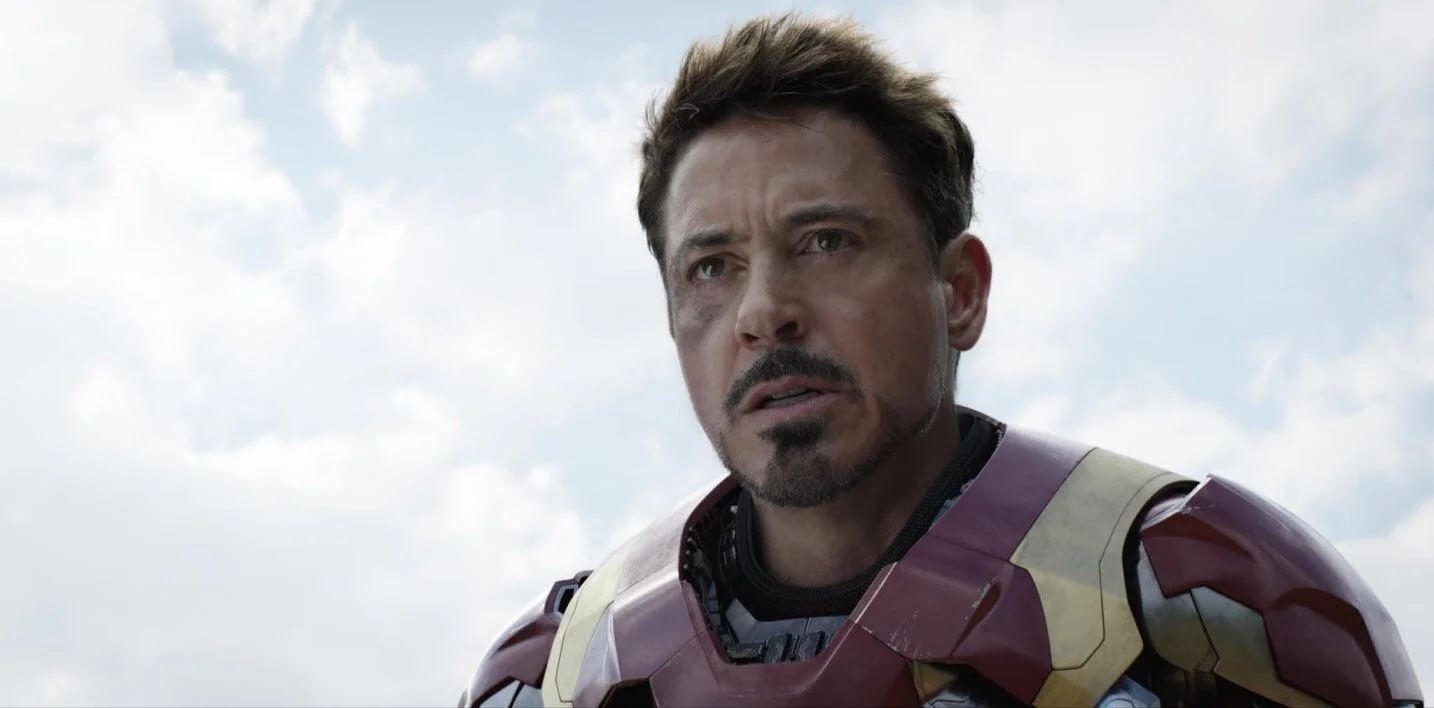
Image: Marvel Studios
Pros
Action scenes look great and have a lot of practical stuntwork
Acting from the cast is stellar
A lot of effort was put into the characterization of the protagonists and the smart utilization of past events
Great musical score
Thoughtful representation of perspectives in both overt and subtle ways
Every character feels important
Great heroic moments
Cons
Plan of the villain requires a lot of suspension of disbelief
Characters just sort of figure things out at the right or wrong moment
Long movie
Plot & Thoughts
Steve Rogers (Chris Evans) is still leading the Avengers as they attempt to eliminate the remnants of HYDRA around the world. While on a mission to stop a group of terrorists from using a bioweapon, Wanda Maximoff (Elisabeth Olsen) manages to move an explosive away from Rogers, but is unable to keep it from causing collateral damage. Many people are killed, including representatives from the fictional nation of Wakanda. This is seen as an international incident, and leaders of various nations around the world call for constraints on the Avengers. Tony Stark (Robert Downey Jr.), having personally encountered someone who lost a loved one due to the events of Avengers: Age of Ultron, feels a sense of guilt over what has happened in the past with the involvement of the Avengers, and he eagerly agrees that there should be restrictions, which have been drafted into a document called the Sokovia Accords.
While some Avengers agree with Stark’s perspective, Rogers does not. This is where the rift between the heroes starts to form. It only further divides when a terrorist attack kills the leader of Wakanda and father of Black Panther, T’Challa (Chadwick Boseman), and the lead suspect in the crime is Rogers’ former best friend, the Winter Soldier, Bucky Barnes (Sebastian Stan). It quickly becomes a manhunt, and Rogers is willing to break all the rules if it means saving his friend’s life.
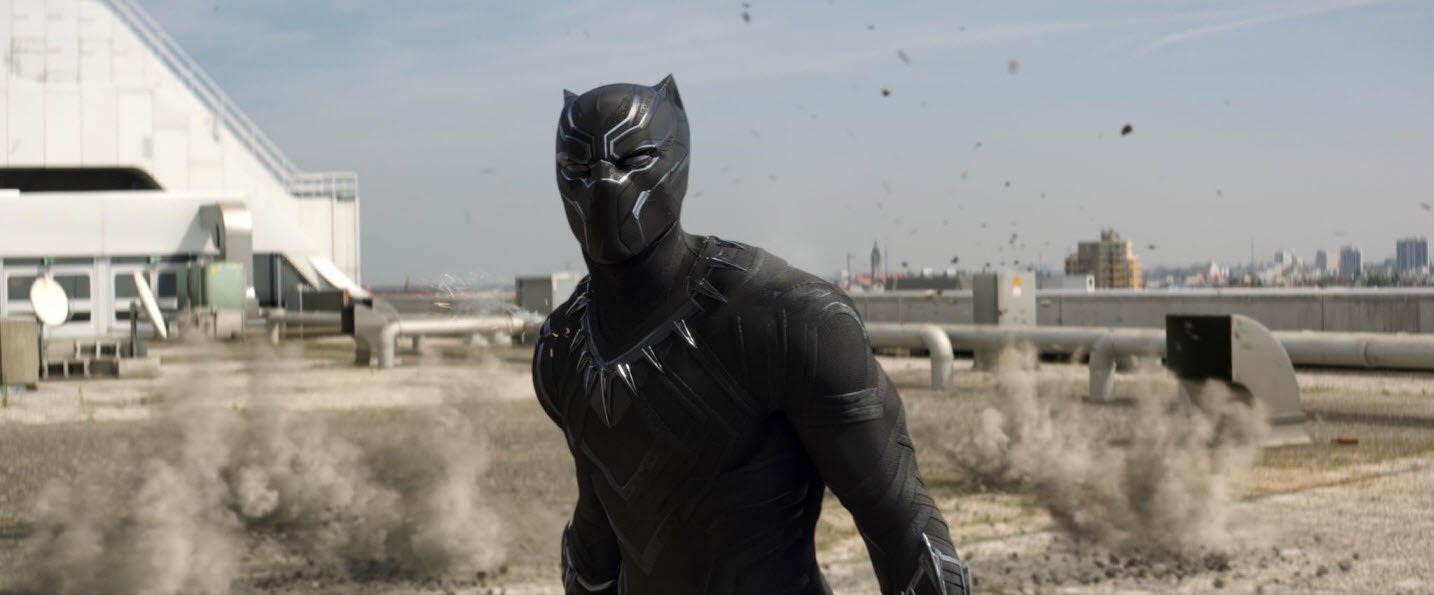
Image: Marvel Studios
I was already inclined to like this movie due to my bias for the comic book event. However, I think this movie succeeds in ways that the comics did not, particularly with how personal this conflict is to both characters. While Infinity War is the event that the MCU has been building toward since the beginning, Civil War is the movie that the Iron Man and Captain America films have been building toward, as they are focused on how both characters have adapted to their world as it has changed around them, while still remaining consistently the same characters since their first movie.
Tony Stark has evolved a great deal as a character who went from being the independent lone wolf who does things his way to the paranoid parent of the world, worried that we might be invaded at any second, to a man who understands the power the Avengers have and how that power is too much to be allowed to operate independently. He went from being a narcissistic playboy without rules to a hero through the revelation of what his weapons did to people. His mistakes with Ultron and how that destroyed a small country and killed innocent civilians only further reinforced him on the path of humility. Now, he’s trying to get the Avengers to agree to follow the rules set out by nations. He’s continuing down the same path since the first film by trying to make amends for his mistakes. It’s a great character arc that does not stop with Civil War.
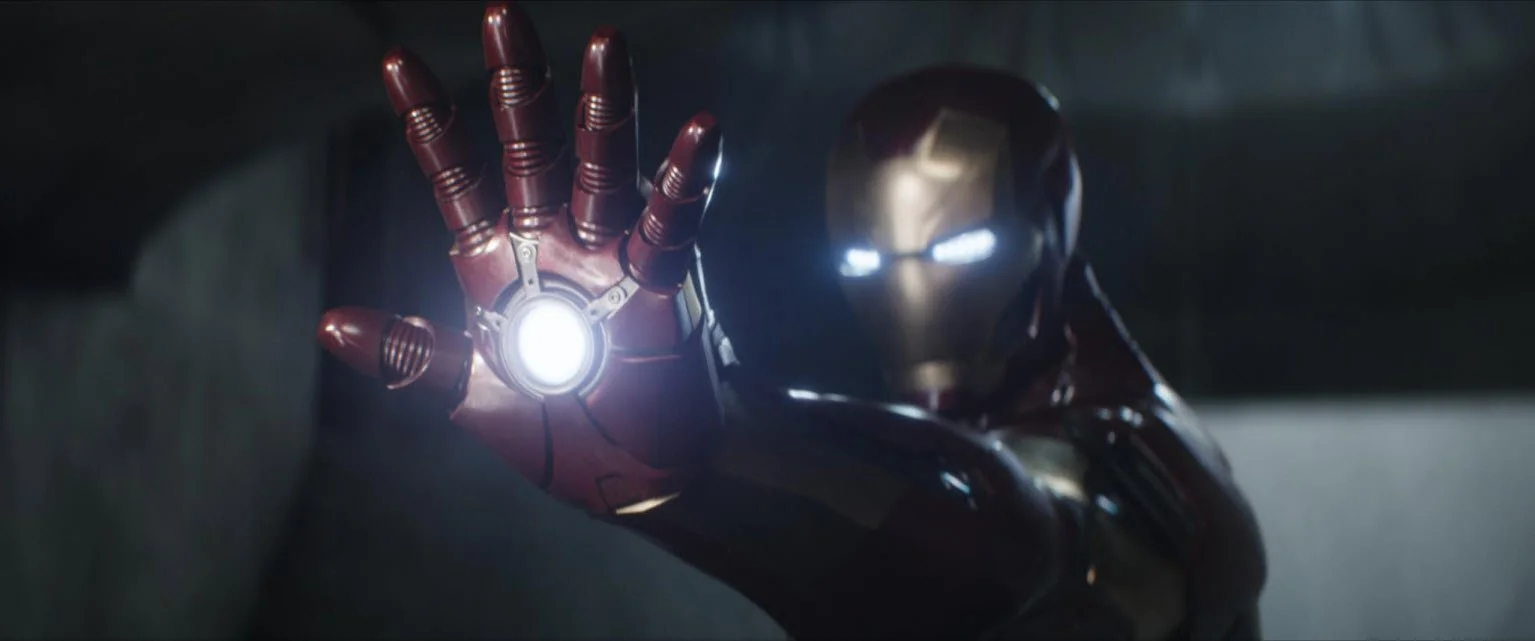
Image: Marvel Studios
Steve Rogers has gone on his own journey as a man who followed orders and wanted to be a team player from the beginning, fully aware of the dangers of war, with the hope that he could help in any way possible. Unlike Tony, Steve is already humble in his first movie, and he wants to serve his country with the expectation that it will keep people safe. However, after the events of The Winter Soldier, his worldview has been thrown into disarray. He was taking orders from the villains the whole time, and he now realizes how important it is to remain independent and capable of making his own decisions because he cannot simply trust the people giving orders. He realizes that he and the Avengers have the power to act, which means they have the responsibility to act, rather than wait for bureaucrats to make the decision. And, as always, he would die before he would let one of his friends die, which puts him at odds with everyone trying to kill Bucky.
It’s a great clash of perspectives because both characters are justified in their views. It’s the classic argument of Safety vs Freedom that the original comics were conveying, but the relationship that has formed over the course of the MCU adds a lot of flavor to the conflict that was missing. Add on the complications of the Winter Soldier’s involvement with the plot and T’Challa’s desire for vengeance, and you have a powder keg of an action movie.
Part of what makes Civil War work so well is that every side character feels crucial to the experience, even those who are in the movie for a short amount of time. T’Challa is a great character who goes on his own journey and comes out the better man than all of them in the end. Vision (Paul Bettany) and Wanda’s relationship is put to the test and, in some ways, represents the central conflict of Safety vs Freedom—it’s foreshadowed by how Vision phases through the wall into her room at the beginning, and Wanda scolds him. The conversation that Steve and Tony have about Wanda is also an exceptional representation of the core conflict that further justifies their viewpoints. Natasha Romanov (Scarlett Johansson) inevitably sides with Stark about the accords, feeling a sense of responsibility for what has transpired in the past, but her loyalty to her friends shines through in specific moments, like at the funeral and the airport climax. Sam Wilson (Anthony Mackie) continues to be a great character who believes in Captain America and does not waver in the slightest when it comes to his loyalty and respect for his idol and hero. And the introduction of Spider-Man (Tom Holland) is satisfying and sets up the relationship between him and Tony Stark, while also giving him a fair amount to do during the airport confrontation. Thunderbolt Ross (William Hurt) returns and manages to be even more dislikable than he was in The Incredible Hulk, with how patronizing he is about his viewpoint and the power he wields. Even Hawkeye (Jeremy Renner) and Ant-Man (Paul Rudd) get their moments to shine for how little they’re in this movie. Then, of course, there’s the villain.
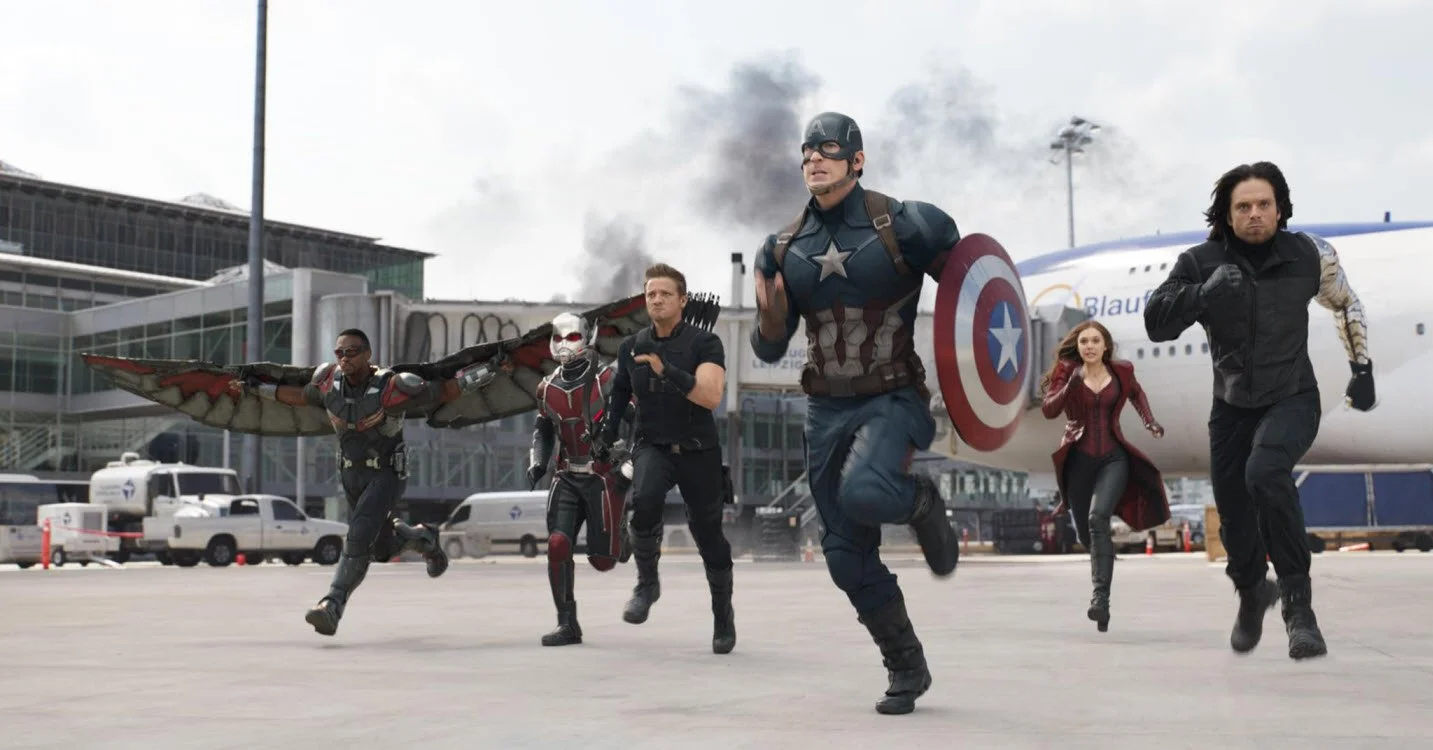
Image: Marvel Studios
Zemo (Daniel Brühl) is a great antagonist who we get to see putting his plan in motion throughout the film, never quite knowing what his true intentions are; however, his plan requires a fair amount of suspension of disbelief. There were many moments throughout the film in which a variable could have gotten in the way and prevented his ultimate goal from succeeding. What if the Winter Soldier was killed instead of captured? What if Zemo was captured during the interrogation scene? What if the Avengers never made it to the secret base, or what if the wrong Avengers showed up and there was no Tony Stark present? What if Tony Stark had a different perspective and actually sided with Steve Rogers? Zemo is operating outside the growing conflict within the Avengers about the Sokovia Accords, so his plan just happens to be somewhat perfectly timed to capitalize on the internal conflict. Did he know this was going on, or was he just lucky? Regardless of all these instances in which Zemo’s plan could have fallen apart, he still manages to be an intriguing character with his own motivations that make him more complex than the typical Marvel villain. He has a personal agenda and is willing to do whatever it takes to achieve his goal. How he is “defeated” brings a satisfying conclusion to T’Challa’s arc in the story as well.
The overall mystery of Zemo’s intentions, coupled with the conflict among the Avengers, manages to make this lengthy movie a manageable experience. The plot strings you along with enough of the thriller intrigue while injecting solid moments of characterization that make you root for the heroes, regardless of whether you agree with their beliefs—I always sided with Cap. While there are moments where characters just sort of realize something important to feed the plot along, it never feels like lazy exposition.
TL;DR
Captain America: Civil War is a fantastic entry in the MCU. It has a cast as big as an Avengers movie, and everyone does their part to keep the story interesting. The action has great stuntwork and cinematography to keep things exciting and easy to follow. It’s a thrilling story that has compelling, flawed characters facing off against each other with justifiable motivations. While the villain’s plot is a little unbelievable, it still leads to great moments between characters and a satisfying conclusion.
![Guardians of the Galaxy Vol. 2 (2017) | [Insert Joke Here]](https://images.squarespace-cdn.com/content/v1/5d39e718d8ec690001509614/1759338060066-ZFS4CKP0M7WGJ0B9UHKD/GotGV2_01a.jpg)