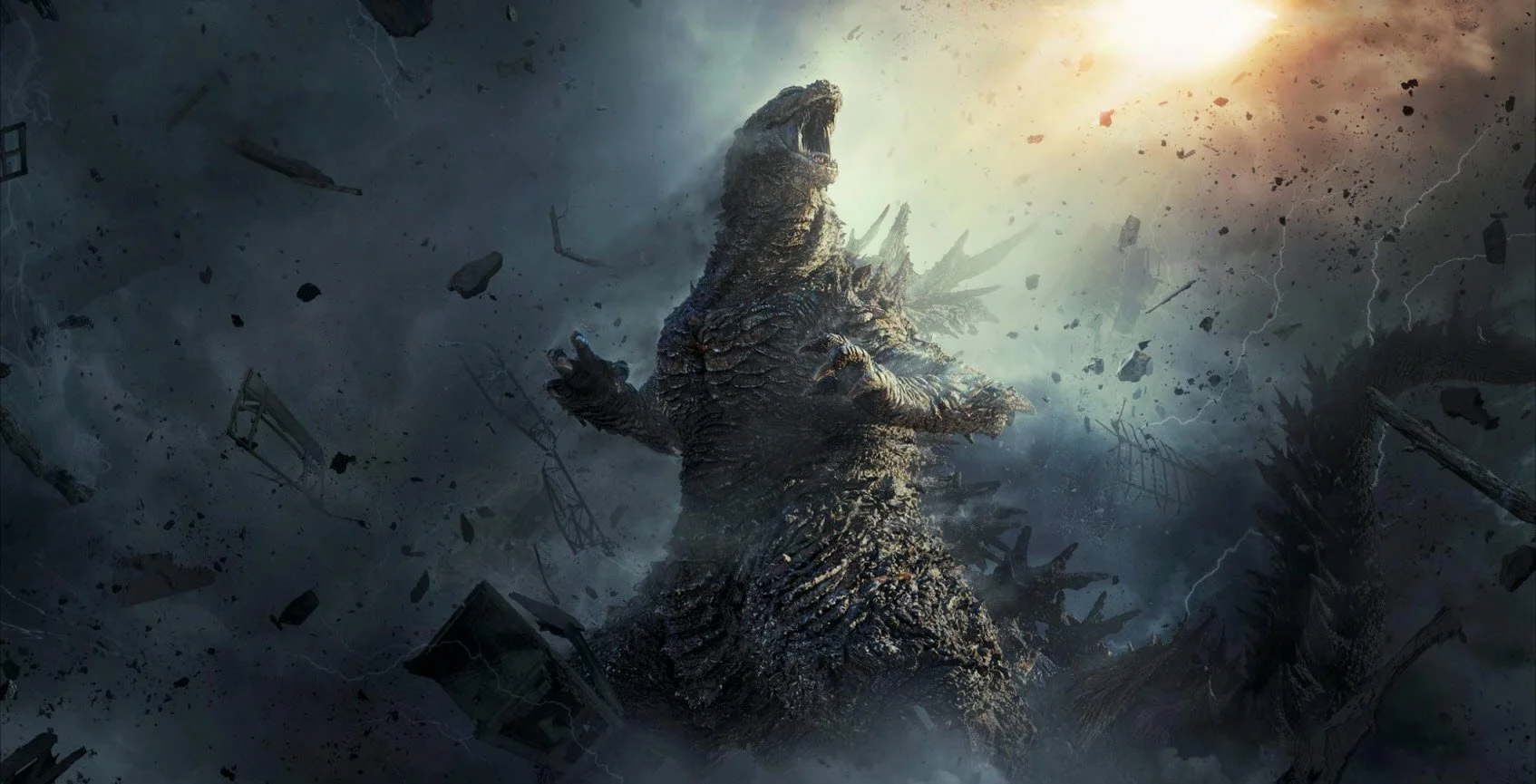
Godzilla Minus Zero (2026) | The Kaiju Strikes Back
In 2023, writer and director Takashi Yamazaki showed the modern world that Godzilla and kaiju movies in general could be a hell of a lot more than giant creatures smashing against each other and causing wanton destruction. That’s still important to the kaiju formula; nonetheless, the most important factor in almost any story is compelling characters, which is something many of the Godzilla films (both Japanese and Western-produced) have often struggled to achieve. Yamazaki was able to create a powerful, emotional, and tightly written story about a man dealing with guilt and shame, with Godzilla serving as both a symbolic monster representing those feelings and a physical monster endangering all around him. I have watched Godzilla Minus One many times, and it still amazes me every time how beautifully crafted it is. It truly felt like a lightning-in-a-bottle moment for the long-running kaiju franchise and managed to become my favorite Godzilla movie almost immediately.
Still, the true test of a creative comes with the sophomore effort. Godzilla Minus One was not Yamazaki’s first movie he wrote or directed, but it’s the first Godzilla movie with his treatment. After the overwhelming box office success and positive reception of Minus One, which left the door open for sequels, hopes were high that he would return with another entry with the same level of quality. Was it right to place such high hopes on his shoulders to capture lightning in a bottle twice? Or should we temper our expectations from here on out?
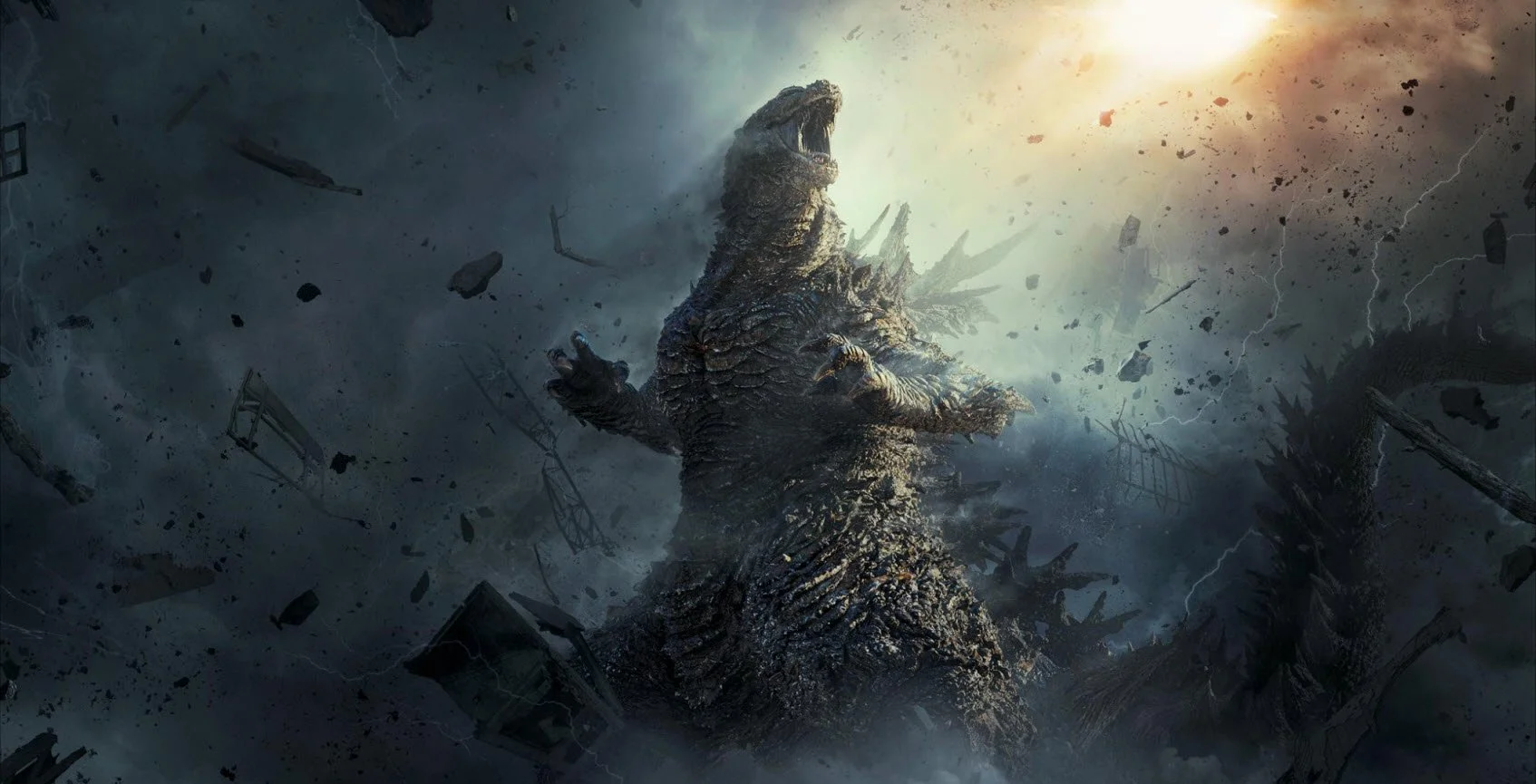
Image: Toho
Pros
Compelling emotional moments and character arcs
Strong performances from the cast
Visual effects are great throughout most of the movie
Spectacular action sequences and battles
Musical score is still powerful and effective with new and returning tracks
Sound design works really well to sell the carnage
Gruesome scenes to remind viewers that Godzilla is actually a horror franchise
Great direction and visual design of many shots
Cons
Suspension of disbelief required; a lot of conveniences and over-complicated setups
Particular digital effects didn’t look their best
Pacing and editing issues in spots
American actors give stiff performances
Themes between humans and monsters are not as tight as last time
A few creative choices in the plot that I think could have gone in a more interesting direction
Ending feels abrupt
Plot & Thoughts
It’s been two years since Godzilla was defeated by the selfless heroics of Shikishima (Ryunosuke Kamiki) and the brave Japanese men who faced off against him. Shikishima has married Noriko (Minami Hamabe), who miraculously survived Godzilla’s attack on Ginza, and they’re raising their adopted daughter Akiko (Sae Nagatani) together in a Japan that is still rebuilding after World War II and Godzilla’s destruction. However, it has not been completely peaceful, as a new giant monster has suddenly appeared, resembling a winged dragon. It’s smaller than Godzilla was, and doesn’t have its atomic breath, but it's still a dangerous creature that is very destructive and aggressive—we all know what it is and what it will be by the end, but for spoilers/creativity sake, I won’t disclose its name.
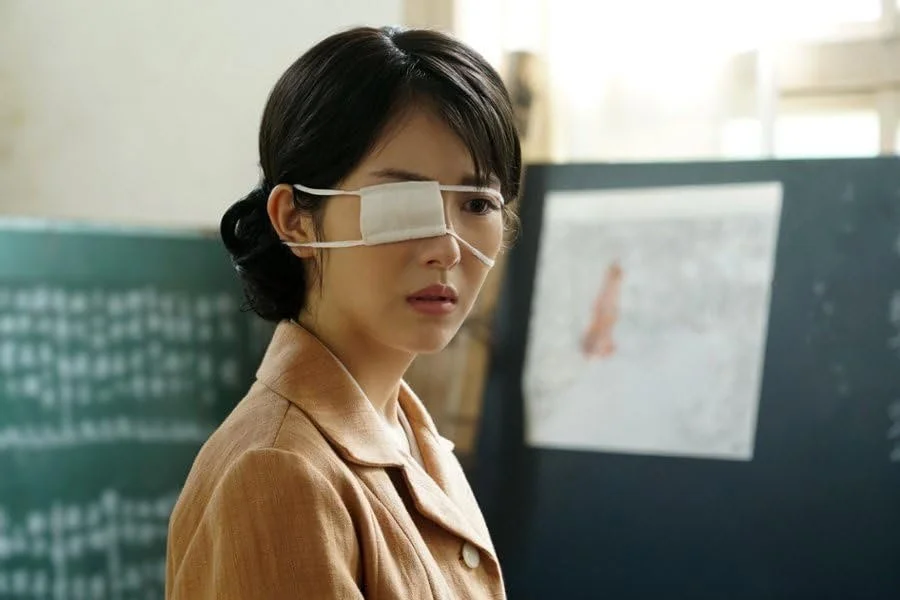
Image: Toho
Kenji Noda (Hidetaka Yoshioka), who led the operation in Minus One and came up with the various plans to kill Godzilla is now in charge of a small disaster response team who have been tasked with finding ways of stopping this new creature. A meteorological specialist, Makoto Aoyama (Masami Nagasawa), has joined the team and is enthusiastically willing to try any ideas that might work, even if they seem unorthodox. While Noda is trying to come up with ways of stopping the new creature with the help of Professor Murakami (Min Tanaka), a man who survived Hiroshima and who has become an expert in Godzilla research, he also has to deal with American military interjections into his plans. No one trusts the Americans and their motives, but they don’t have a choice in the matter. As the situation grows more dire with the new monster and the havoc it is causing, things get desperate. Noda has to rely on the help of his friends, whom he’d rather not put in harm’s way again. As you might expect, things go horribly wrong, and to make matters worse, Godzilla returns.
As someone who has been a fan of Godzilla since I was five years old, and who has also been a fan of many other franchises and creative properties that have been squandered, pillaged, and r*ped by corporations and selfish blowhards that want to use established properties as a platform to shout their messages—destroying my interest in the process—it is refreshing to see the indestructible Godzilla persevere. The big lizard is still getting reamed by Legendary Pictures, the studio that continues to make their own versions of his stories that seemingly get dumber with each entry. However, Yamazaki and his team at Toho have managed to make two of the best movies in the entire catalogue back-to-back to fight off the cynical efforts of Western studios. Even if Yamazaki were to return for a third film and it was somehow a disastrous falloff in quality, I would still feel pretty darn good about what we have gotten so far.
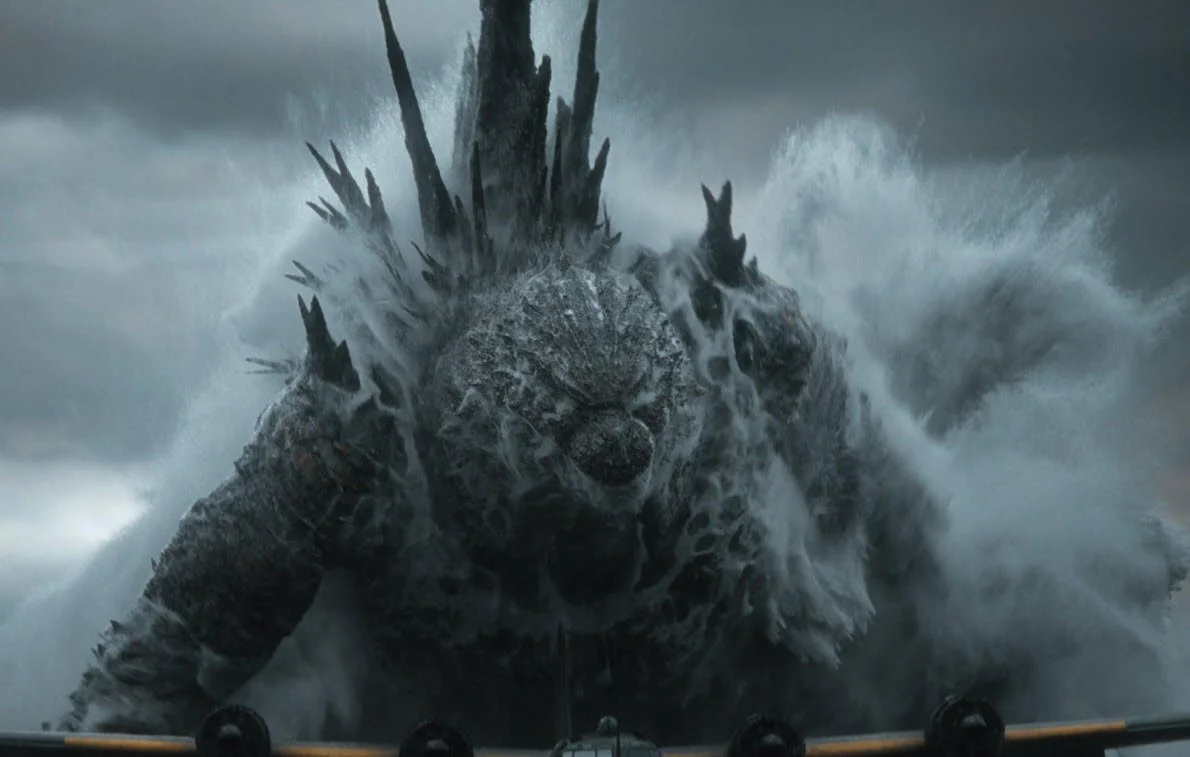
Image: Toho
I lay out my biases up front because you should take everything I say with a grain of salt; my opinion is that of an excited Godzilla fan—I was so excited for this movie, I actually went to the theaters for the first time in nearly a decade to see a new release. Minus Zero has plenty of moments that require a little more suspension of disbelief than last time, which is fine for a Godzilla fan, but not necessarily for someone who isn’t. There are aspects of the plot that rely on technology or a character’s special abilities that you kind of just have to accept in order for the story to work. Those who have only seen Minus One or who don’t care for other Godzilla movies might struggle to go along with the more fantastical elements of the story. Those who have hopes of a second instant classic with Minus Zero would be wise to temper their expectations.
I didn’t go in thinking that Yamazaki could capture lightning in a bottle a second time, but hopeful that the next film in this storyline would still stay focused on characters and introduce new problems accordingly. I had my expectations for Minus Zero, and they were met, substantially. Nonetheless, I believe Minus One is a far superior film that has better writing and is a more focused experience with themes that are better tied together with its character arcs. Minus Zero is, however, a commendable follow-up that does a lot of great things to keep you engaged in what is happening. It feels like a Godzilla movie made for fans, but it still has a lot of great leftovers from the previous film.
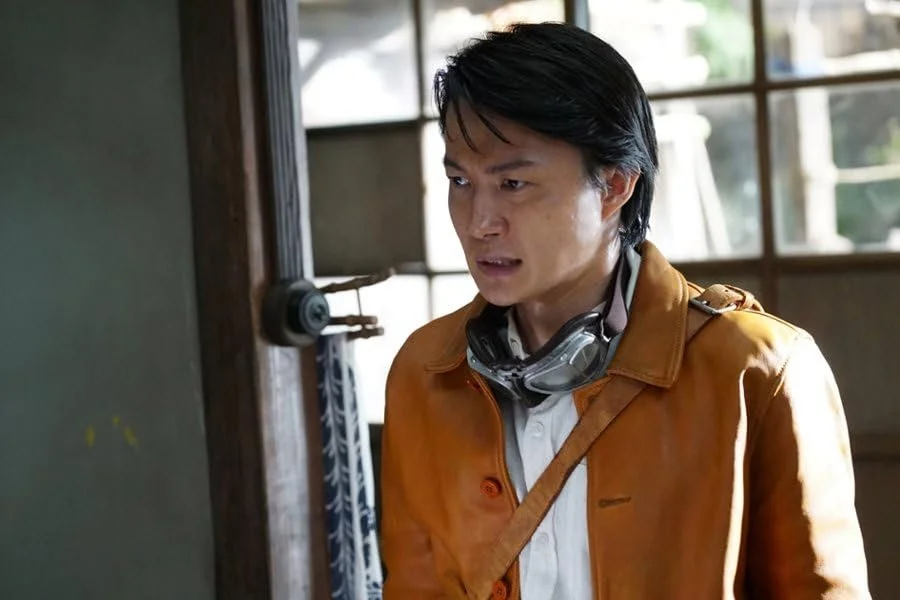
Image: Toho
Let’s start with the all-important characters and themes. The reason Minus One worked so well was because it was a character-focused experience where the story and its themes all tied into the protagonist, Shikishima. It was his story and journey we saw as he went through the misery of shame and guilt, then fought to overcome it and become a selfless hero, with Godzilla serving as the literal and proverbial monster to represent all of his pain. Shikishima is still a big part of Minus Zero’s story, but the plot does not focus on him as much. In fact, I would argue neither he nor Godzilla is the main protagonist or antagonist this time around—Godzilla does not re-enter the story until well into the movie, which is a shame. The plot and themes are spread out across other characters, which still allows for some great moments, but the thematic synergy that was present before gets a little lost in the process, and it feels like Shikishima has less to do.
The story is more focused on the new monster and several of the side characters, who get their own arcs. Kenji Noda, who was a prevalent side character in Minus One, goes through some of the most significant story beats. We learn more about Noda’s psyche, his role in World War II, and the guilt that he feels from his involvement. While Shikishima’s arc and his relationship to Godzilla were completed in Minus One, we see a similar connection between the new monster and Noda in terms of what it means to him and where his arc eventually leads. I already liked the character of Noda, but Minus Zero made him even more compelling to me by expanding his background and role. While there are other characters who shine in their own way, this movie is very much his and the new monster’s. That may be disappointing to people who wanted the Godzilla movie named after Godzilla to be about Godzilla, but I was okay with the realigned focus.
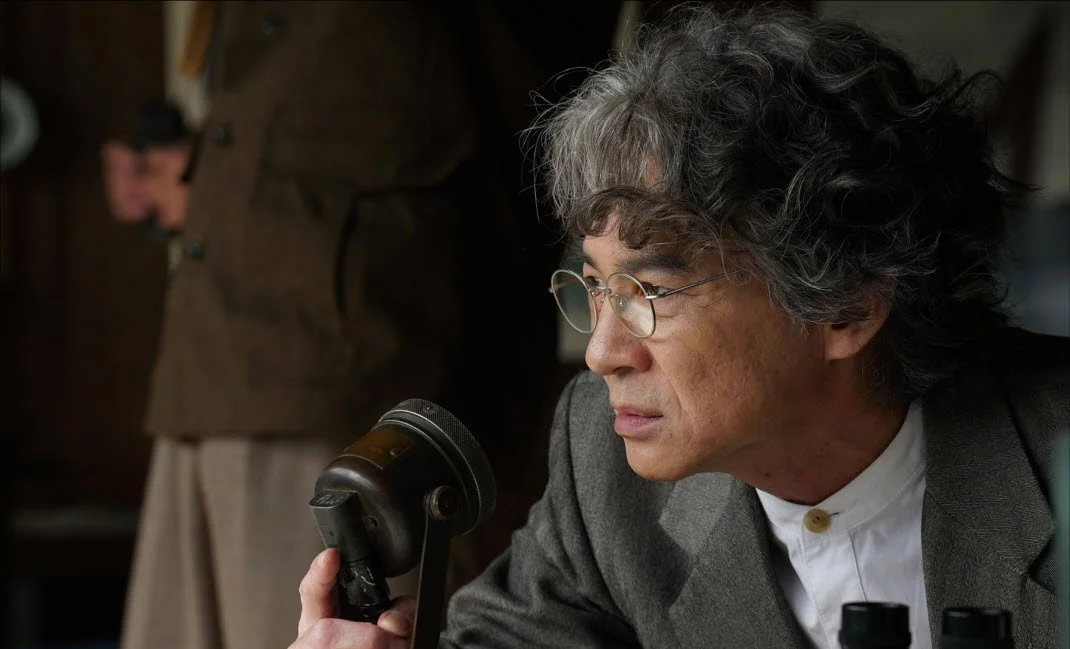
Image: Toho
Other characters get their moments to shine as well. Noriko goes through her own journey as a miraculous survivor of the Ginza attack. I thought that her survival in the first film was a bit of unforgivable plot armor, but they have explained it in this movie in a way that gives it some context—even if she is still very lucky. There were some choices made in her arc and story that could have been done differently to raise the stakes or set up some interesting scenarios, but I do not think that the decisions made around her character were necessarily mistakes. She has an elevated role in this movie and is central to certain events that take place alongside Shikishima. Likewise, Akiko plays a more significant role in the character dynamic between her two adoptive parents. She was mostly just a plot device in the original film, but this time around she is an important factor for both of her parent characters in this story. I’ve heard some complaints about her crying in certain scenes, but I was never bothered by them because they felt appropriate for the moment—if screaming kids bother you, go watch the Babadook first to see how annoying it can really get.
Are you noticing how much time I am spending on the character dynamics in this review? It’s because Minus Zero does what Minus One did and spends time on the human characters in meaningful ways. Both of Yamazaki’s Godzilla movies are character dramas first, Kaiju films second, and that is a good thing because when things get harrowing, it’s easy to become concerned about which characters may live or die. I only watched one trailer for this movie to make sure I would not know too much going in; I learned who the new monster was from sound alone and figured that was all I needed to see. When the big action sequences took place—which all look and sound great, by the way—I was concerned for the lives of my favorite characters, but also aware of those who were likely to perish in the coming onslaught. The action sequence involving the fighter planes and the new monster was harrowing, and the big face-off in the final act was incredible to behold. Minus Zero still gives Godzilla fans like me the carnage and destruction we expect of a Kaiju film, but it doesn’t forget the importance of the human story.
Carnage is an important aspect of Minus Zero’s presentation as well. Godzilla Minus Zero is rated R due to the graphic nature of various scenes, including the damage done to Godzilla in the climax. It’s a violent film that is willing to highlight the devastation the characters and world are experiencing in the wake of the monsters. I would argue that Minus Zero has more in common with the original Gojira from 1954 than Minus One in that particular regard. Part of the strength of the original movie was in showing the aftermath of Godzilla’s destruction as a metaphor for the nuclear bombs, with many scenes showing rows of bodies or depressed and disillusioned victims. Minus Zero has numerous scenes of civilians either being severely injured by the monsters or being outright killed and annihilated by their destructive power. There are also various scenes in which we see crowded hospitals or devastated towns, and even Hiroshima, hammering home the message of the original movie. I think it visually works incredibly well, and I was captivated.
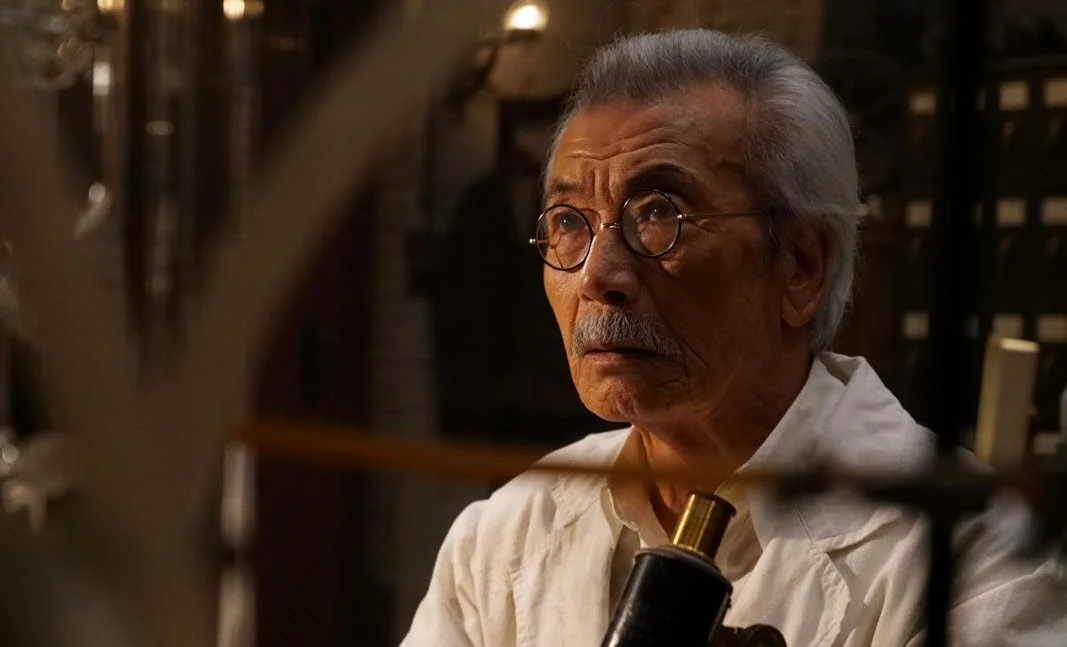
Image: Toho
Where I will acknowledge some cracks in the design is in the editing and pacing. There are numerous scenes in this film that I believe could have been shortened or tightened up. I don’t think there is ever an unnecessary scene, but some could have been moved around or had less fluff, and I think the movie would have improved. Particular scenes that focused on Noriko, Akiko, or Professor Murakami ended up going a certain way that I think could have been more interesting had they gone a slightly different direction, or they could have been just shorter, and the overall experience would have benefited. There’s also some melodrama in their scenes that I can acknowledge, but, for the most part, they worked for me.
Lastly, the musical score of Godzilla Minus Zero is just as strong as Minus One. Many tracks of which return in Minus Zero. The additions to this film, however, have a lot of extra drama to them, and how they’re used really makes certain scenes stick in your mind. The main theme that plays as soon as the movie starts is extremely effective at setting the tone for the overall experience. Mixed with the impressive sound design, you get a loud movie that is incredibly effective at tugging on your emotions while showcasing the incredible destruction on display.
TL;DR
Godzilla Minus Zero is a solid sequel to the best Godzilla film ever made. Yamazaki may not have caught lightning in a bottle twice, but he still managed to get some static discharge with this one. The musical score is still fantastic. The actors give great, compelling performances that make you care for their characters. The direction does an incredible job of giving you an understanding of scale and showing how massive the kaiju are in comparison to the humans. We still could have used more of the titular monster and more conflict with him, but I was still happy with what we got. If you enjoyed the last movie—which is mandatory viewing for this film—and if you temper your expectations, Godzilla Minus Zero should still satisfy your desires for a compelling character drama in a kaiju disaster film.