The Death Spiral of the Video Game Industry | Comicbook.com’s Article is Dumb Part 3
Welcome back to my response to Comicbook.com’s article, “The Video Game Industry Has a Major Problem (& It’s Gamers’ Fault),” written by Justin Joy. If you haven’t read the article or do not wish to, the quick summary is that Mr. Joy believes that some “good” games made by large (AAA) companies are failing financially because gamers are too negative and not enough is being done to stop the negativity from spreading within the online community.
In Part 1 of my response, I tackled the author’s opening observations about the status of the video game industry and the atmosphere of negativity he sees in it. I also expanded upon my opinions of how his views range from naive to plain wrong, with my own examples of how negative criticism from customers is sometimes warranted or even helpful in the long run. In Part 2 of my response, I focused on the games the Comicbook.com writer chose as examples for his argument and why I think his arguments in favor of them are misguided or inauthentic, with my own counterpoints.
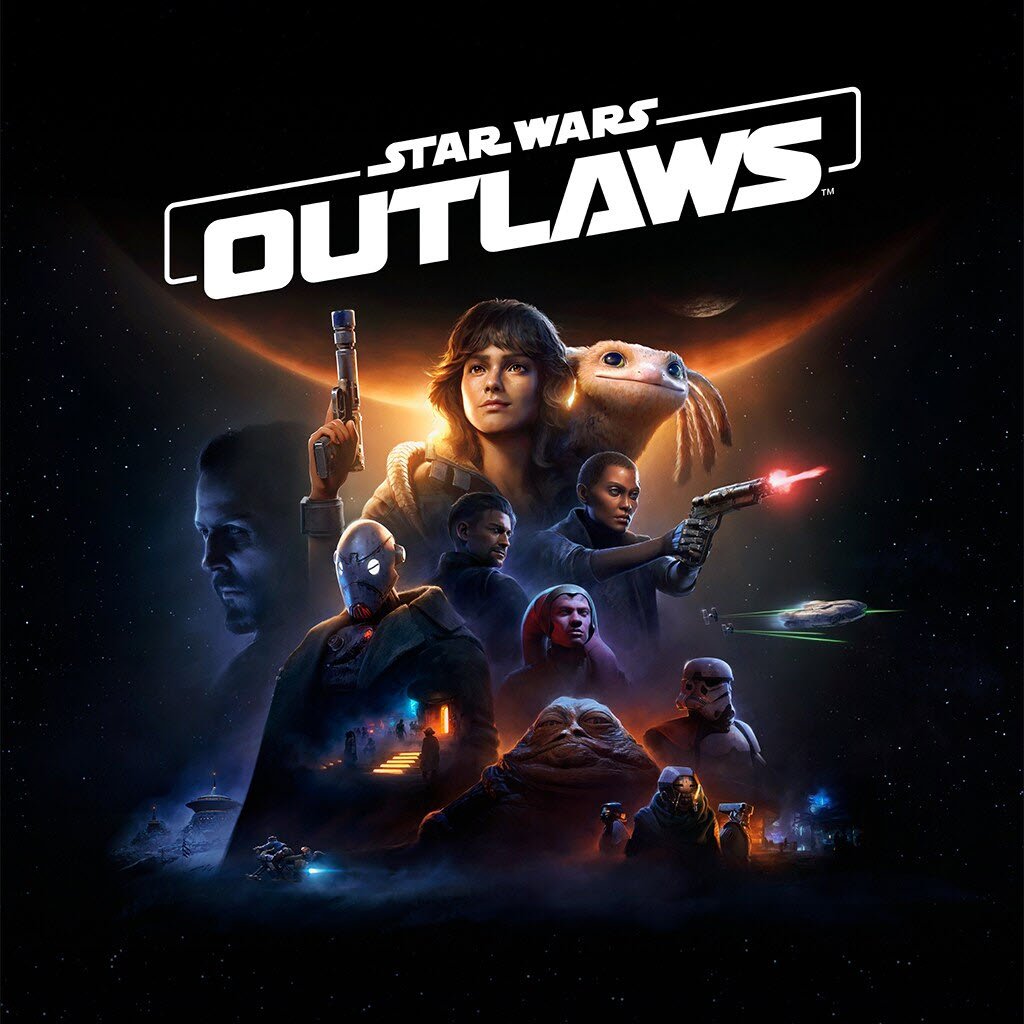
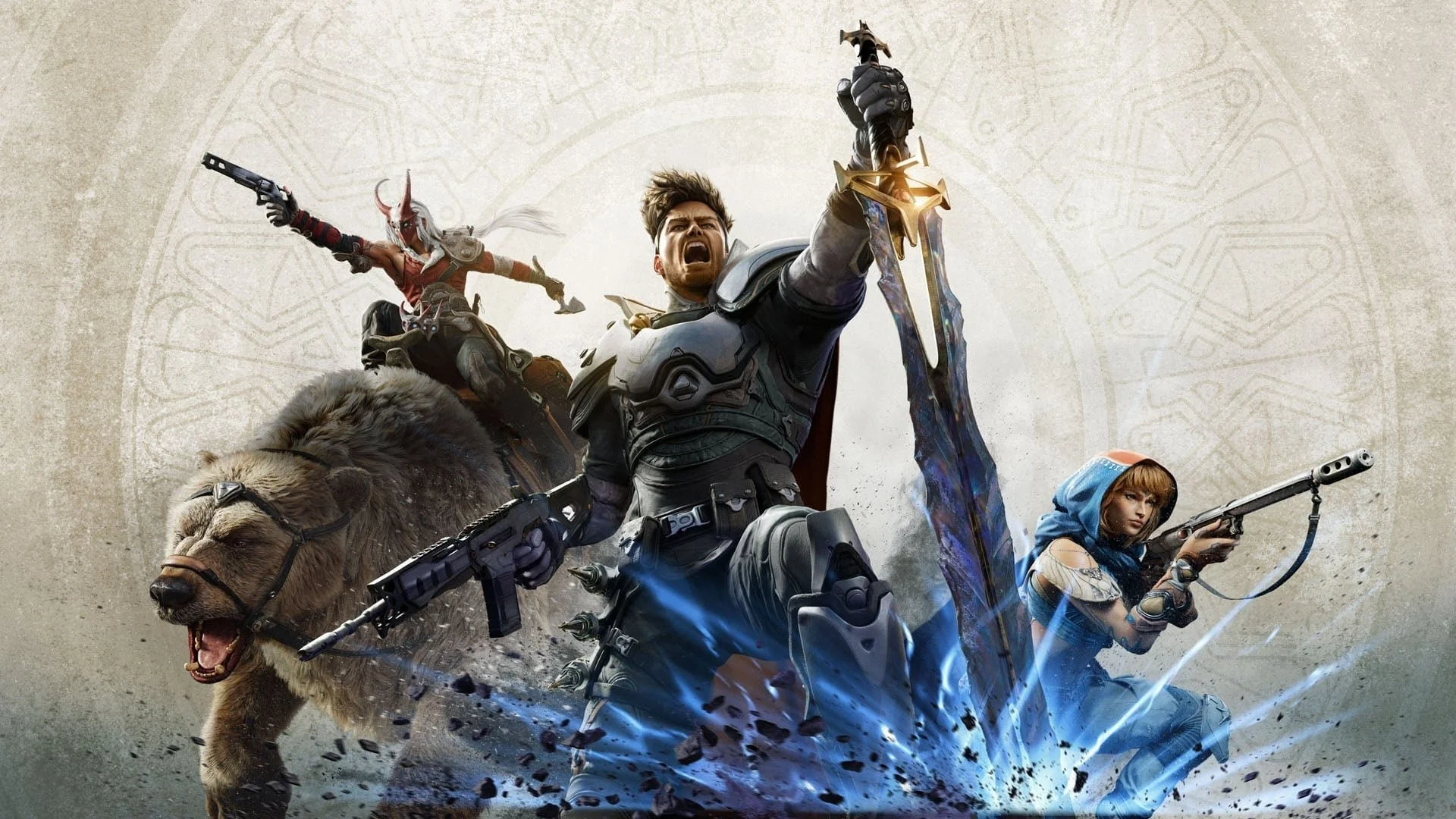
This time, I want to wrap up things with his final four paragraphs, as well as share my thoughts on another game that was recently announced, which is likely to repeat the same mistakes as the games mentioned so far. I’m also going to posit an observation about the real problems of the video game industry that the Comicbook.com author has so desperately tried to ignore with his argument.
Again, I’ve included the text from their article in the accordion for the sake of backing up the content and convenience, but you can click this link to go directly to the article to see for yourself. In Part 3 of my response, I will be including quotes and responding to paragraphs as we go along, starting with the section titled “Why Do Some Gamers Hate Video Games So Much?”
-
There is a growing problem in modern gaming culture that is impossible to ignore. I see it every time I watch a PlayStation showcase, a Nintendo Direct, or any other gaming-related stream. The gaming industry is bigger, and expectations are higher. And with the internet being more readily available than ever, there is a bigger scrutiny on upcoming and newly released games. Together, these have led to an increase in the negative ways gamers interact with developers.
The atmosphere in the gaming industry has shifted from questioning to outright hostility. I’m used to skepticism or cautious optimism, but now, players take every opportunity to trash a game, even if they’ve only seen a few minutes of gameplay through a reveal trailer. Gamers are calling a game doomed before it even launches, which negatively impacts its sales, sometimes even causing it to fail entirely. This isn’t to say every game fails because of bad press and negative word of mouth, but to completely write a game off without trying it has seemingly become the norm for a majority of people who supposedly love video games.
Gamers Are More Excited for a Game to Fail Than Succeed
At some point, cheering for a game’s downfall became entertainment. Whether the cause is influencer culture, social media hot takes, or the algorithm’s hunger for negativity, the outcome is the same. The loudest voices online often seem to revel in failure. You can see this during any major livestream. It happened during the PlayStation State of Play when Concord was revealed. It happened during the Ubisoft Forward when Star Wars Outlaws gameplay was shown. And more recently, Highguard fell prey to this same toxic pattern when it was revealed as the closer for 2025’s The Game Awards.
During these types of streams, the live chat scrolls by in a blur of dismissive comments. “Dead game.” “No one asked for this.” “Looks trash.” “Already failed.” “Woke.” These reactions appear within seconds, long before players have even seen the full gameplay loop, let alone touched the controller themselves. Somehow, within just a few seconds, gamers suddenly know whether a game is good or not. This culture of putting down games has overtaken a hobby that should be played for love and enjoyment.
This culture does not just hurt developers but gaming communities as well. It creates an environment where people are more interested in being right about a prediction than in enjoying something new. I’ve seen so many subreddits turn into debates about whether a game is bad or people are just hating on it because that is the popular opinion. Even when people prove they enjoy a game and it has its merits, these opinions are outright dismissed, and the hate keeps on going.
Sometimes Good Games Get Set Up for Failure
The most painful part of this trend is that genuinely good games get steamrolled by bad expectations, many times before they even launch. A title can have a strong core loop, fun gameplay, or a truly passionate development team, yet still collapse under the weight of online negativity. This perception death causes a game to be labeled as doomed, and it can be nearly impossible to recover from this. Several games have fallen to this negative practice, and many of them didn’t deserve it.
As much hate as it got, I genuinely enjoyed Concord. The biggest issue people had with the game was its character designs and $40 pricetag. The game was labeled “woke” and “uninspired” because of its character design, dialogue, and premise. But looking past that was a solid shooter that was fun to play, even in its beta phase. I admit I wished it had a stronger story and wasn’t a hero shooter, but the hate it received was way overblown, and it was a major part in the game failing. Had people given the game a chance, they may have discovered strong bones that could be strengthened through updates.
Star Wars Outlaws was unfairly judged on the reveal as well. People were more concerned about the protagonist’s appearance and hating on Ubisoft for actually acknowledging what looked to be a fun game. And at launch, sales were low, causing Ubisoft to cancel plans for it. But now, after several updates and DLC, the game is in one of the best places, and players are realizing it is a great game. If the hate train had slowed down during pre-launch and release, Star Wars Outlaws would be on a very different trajectory today.
And now Highguard is taking similar hits, with entire threads dedicated to predicting its failure before the game even launched. And with its release, the hate is only building despite many people praising it. Don’t get me wrong, Highguard deserves its criticisms and should have been an early access game, people are unfairly judging it. People are calling it terrible without fully understanding the gameplay loop. I understand providing feedback, but that criticism should be constructive, not destructive.
Why Do Some Gamers Hate Video Games So Much?
The question I keep returning to is, why does this happen? Why do so many gamers appear to dislike video games and want them to fail? Players are quick to jump into online streams or forums to bash games, often without even having played them. Critiquing is one thing, but the cynicism that is prevalent in today’s discussions goes beyond this. It just seems like some people aren’t happy unless a game fails, even if it’s one they have no intention of playing.
Part of it comes from being burned. Launch disasters like Cyberpunk 2077, inconsistent live service models, and rising prices have created a climate of distrust and frustration. These are valid to a degree, but this doesn’t give gamers cause to destroy a game before it even hits release. But this has become a popular practice, and the internet rewards this behavior. A negative post gets more engagement than a positive one. Influencers build entire brands around pessimism, and content creators who call a game dead in the thumbnail get more clicks. And these voices calling a game dead are often the loudest, even if they belong to a minority.
The thing is, no developer, at least a serious one, sets out to create a bad game. They want players to enjoy the worlds they build. But the culture surrounding game launches makes it harder for them to succeed. When audiences decide a game is bad before release, when livestream chats drown out excitement with mockery, and when negativity becomes the default, developers lose the chance to grow their communities naturally. This is not to say criticism is wrong because critique and player feedback are essential. Honest opinions help shape better games, but there is a difference between criticism and cynicism.
Unless gamers recognize their role in shaping this negative culture, the cycle of hate will continue. Developers will stop taking risks, and creativity will be stifled. Gamers don’t have to blindly praise a game, but they should give a title a chance before badmouthing it. It takes no energy to see a game, realize it isn’t for you, and move on without adding to the commentary. If this negative mentality continues, the gaming industry may face a problem it can’t beat, and the ones who will suffer for it most are gamers, those who partake in the destructive discussion, and those who don’t.
How Did We Get Here?
I want to move through the final sections of the Comicbook.com article a little faster than the others, so we can finally wrap this up. By this point, the author, Justin Joy, believes that he’s made his thesis clear: the negativity of gamers and the community at large is the big problem in the industry that is causing games to undeservedly fail.
“Why Do Some Gamers Hate Video Games So Much?
The question I keep returning to is, why does this happen? Why do so many gamers appear to dislike video games and want them to fail? Players are quick to jump into online streams or forums to bash games, often without even having played them. Critiquing is one thing, but the cynicism that is prevalent in today’s discussions goes beyond this. It just seems like some people aren’t happy unless a game fails, even if it’s one they have no intention of playing.”
It’s difficult to judge, but this might be the paragraph with the most clueless take. He’s pondering these questions, but just can’t seem to understand why there seems to be animosity from the general public. He claims that “gamers appear to dislike video games,” but he’s misreading where the anger is directed. People want games like Concord and Star Wars: Outlaws to fail, not because they hate games, but because they hate the industry as a whole and what it has become. They want games to fail so the big developers and publishers learn some lessons as to what gamers actually want from their products. As I said before, there are plenty of people actively playing games made by smaller developers and independent studios that are providing those experiences without the distrustful relationship. I don’t see much activity online of people hoping that Hollow Knight: Silksong fails, do you? Gamers are simply tired of being lied to, having their expectations dashed, being force-fed a message or ideology they don’t necessarily agree with, and getting overcharged and swindled by big game companies when all they want is a fun experience to escape from reality for a little while. I doubt he’ll ever read my lengthy response to his opinions, but at least he might see comments on his story that essentially agree with me.
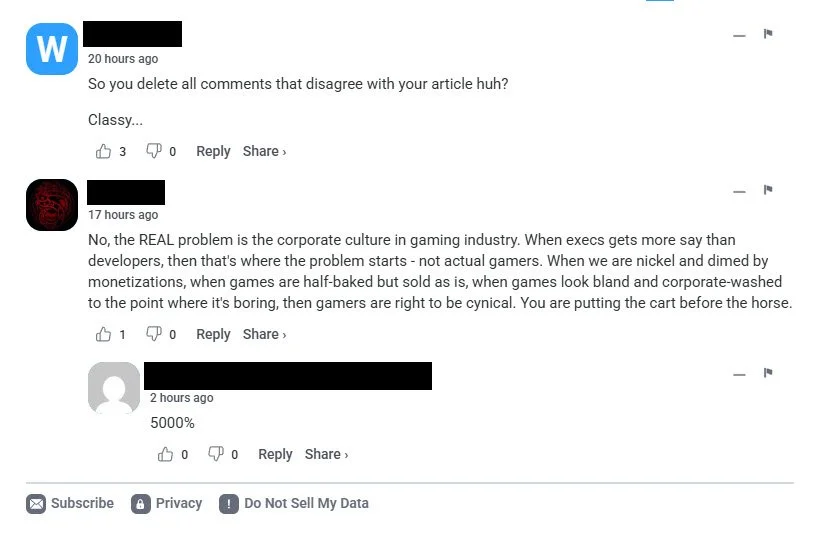
It’s strange to me that Mr. Joy cannot come to the conclusion highlighted in the lengthier comment, because he goes on to identify some perfectly good examples of why gamers might take issue with the industry as a whole in his next paragraph.
“Part of it comes from being burned. Launch disasters like Cyberpunk 2077, inconsistent live service models, and rising prices have created a climate of distrust and frustration. These are valid to a degree, but this doesn’t give gamers cause to destroy a game before it even hits release. But this has become a popular practice, and the internet rewards this behavior. A negative post gets more engagement than a positive one. Influencers build entire brands around pessimism, and content creators who call a game dead in the thumbnail get more clicks. And these voices calling a game dead are often the loudest, even if they belong to a minority.”
The first sentences show that he’s aware of the problems in the industry, but then he says that they’re only valid to a degree. I’m sorry, but if you’re a company like Ubisoft that has released overpriced game after overpriced game with poor writing, poorly designed gameplay, and dishonest trailers, all while virtue signalling your values as the upper management covers up stories of abuse and sexual misconduct at the company, is there a reason I shouldn’t want your games to fail? The developers making the game may not have anything to do with all the malpractice of their publisher, and they shouldn’t view the anger from gamers as personal, though I’m sure there are some disturbed individuals who are needlessly personal in their attacks. However, they’re still involved in the process of making a product in an industry that has exploded with cash and has become increasingly predatory and resentful towards its customers.
Justin Joy then goes on to attribute some rationale as to why people are so negative toward games as simply the result of clickbait. I’ve heard this argument plenty of times before, that “it’s all only for the clicks,” as though there isn’t a more obvious reason why people might be upset about something. One particular publisher understood that there were things about the industry that irked gamers and produced funny, tongue-in-cheek videos to promote their upcoming games for the year while taking shots at the various disgusting industry trends. I guess Mr. Joy never saw the Devolver Digital Big Fancy Press Conferences.
Yes, negativity on social media tends to get attention. There are influencers who benefit from pointing out something that fails. I have a quick question, however. Which is more dishonest: an influencer putting “dead game” or “woke” in their thumbnail, or a so-called journalist who tries to blame customers for the failures of game developers and publishers? I don’t know the answer, myself, as there is an argument for either party.
Before moving on, I feel the need to address the last sentence because he makes the claim that the angry voices are often from the alleged vocal minority. That is another common deflection tactic I’ve seen before plenty of times. “All the people who were hating on Star Wars: Outlaws or Concord are actually just the vocal minority.” Uh-huh. That explains the like/dislike ratios on trailers and why no one bought the games, right? The silent majority naively just listened to these angry fools instead of giving the game a chance. It’s not like the majority was just never on board to begin with. It’s not like other vocal minorities exist and have already been influencing developers in a direction that does not match the interests of the silent majority. Maybe they should figure out which vocal minority has more in common with the silent majority when making design decisions…
Let’s quickly wrap up his last two paragraphs. I don’t disagree with what he says in his first few sentences from a purely literal sense, but we all know that he’s firmly pointing the finger at customers as to why the industry is struggling right now. His final paragraph with his call to action is where things get pretty dumb.
“The thing is, no developer, at least a serious one, sets out to create a bad game. They want players to enjoy the worlds they build. But the culture surrounding game launches makes it harder for them to succeed. When audiences decide a game is bad before release, when livestream chats drown out excitement with mockery, and when negativity becomes the default, developers lose the chance to grow their communities naturally. This is not to say criticism is wrong because critique and player feedback are essential. Honest opinions help shape better games, but there is a difference between criticism and cynicism.
Unless gamers recognize their role in shaping this negative culture, the cycle of hate will continue. Developers will stop taking risks, and creativity will be stifled. Gamers don’t have to blindly praise a game, but they should give a title a chance before badmouthing it. It takes no energy to see a game, realize it isn’t for you, and move on without adding to the commentary. If this negative mentality continues, the gaming industry may face a problem it can’t beat, and the ones who will suffer for it most are gamers, those who partake in the destructive discussion, and those who don’t.”
I will just assemble a point for each sentence in his last paragraph on how out of touch his view is.
“Unless gamers recognize their role in shaping this negative culture, the cycle of hate will continue.” I will say it again. Developers and publishers have a role in shaping the culture just as their customers do. They are not devoid of blame in this situation, and they should take accountability for the industry they have shaped as a result of their actions over the past few decades. Yes, there are certainly the bad apple customers out there who are needlessly cruel and angry, but a vast majority just want games to be a fun escape from reality. Calling customers toxic bigots for not liking the choices companies make to appeal to a nonexistent audience and blaming the customer for why games fail is only going to make things worse for them.
“Developers will stop taking risks, and creativity will be stifled.” This has already happened! Why do you think people didn’t like any of the games you mentioned in your article?! In Part 2 of this long argument, I shared a quote from PatricianTV’s Avowed review that says as much: “…game devs have become so scared of players getting angry and never playing the game again that they have made games that are so boring, many people watching on a live stream will not check it out for themselves.” Creativity has already been stifled due to risk aversion by these companies, just as it has in the film and TV industry, which has nearly nothing but sequels, prequels, and remakes coming out.
“Gamers don’t have to blindly praise a game...” Yet you have made little effort to suggest they do otherwise in your argument.
“…they should give a title a chance before badmouthing it.” They don’t have to give anything a chance if they don’t want to. They have every right to say whatever they want, just as they’re allowed to call a spade “a spade.”
“It takes no energy to see a game, realize it isn’t for you, and move on without adding to the commentary.” That’s called the silent majority, who still didn’t buy the games you’re defending.
“If this negative mentality continues, the gaming industry may face a problem it can’t beat, and the ones who will suffer for it most are gamers, those who partake in the destructive discussion, and those who don’t.” While I do believe that the gaming industry is heading towards a problem it can’t beat, it’s not the gamers who will suffer. No, I think the ones who will suffer are the ones who already are suffering: the people losing their jobs because no one is buying their products. Gamers will be fine because they already have thousands of things to play, and many will just continue to play their favorites, just as Laura Fryer suggested in her videos on Highguard and Concord.
It’s nearly inconceivable how someone would arrive at the conclusions Mr. Joy does, but that’s what happens when you fail to acknowledge the big contributing factors to why gamers are skeptical or hostile towards big developers or publishers. Games are expensive, both in terms of currency and time. Plenty of people who play games have to work long hours and not always for decent pay. After working all day, paying all the bills, and spending time with the family, the average gamer may not have much time and money to sink into a new game. The time they have to do so is just as precious a commodity as money. So imagine how a gamer might feel when they finally get time to play something they spent $60 or more on, only to have it disappoint them, again and again. If you only have so much time or money to dedicate to the hobby, and you’ve been disappointed multiple times, why would you not be quick to write a game off without trying it? Why wouldn’t you just go back to the games that continue to entertain you, or pick up a new, cheaper game by an independent developer you trust more? Clearly, the negativity on the internet hasn’t impacted such indie games as Mewgenics.
At last, we have come to the end of the Comicbook.com article by Justin Joy. I considered just referring to him as “the Comicbook.com writer” because I didn’t want to make this seem like a personal attack, but all my sentences referencing his comments got more complicated, so it made sense to just address him directly to simplify and shorten this already-too-long article series. I don’t know Mr. Joy, and I have never read any of his material before this particular article. It’s unlikely I’ll read anything from him again. All I have seen is this take on the game industry. I just wanted to poke holes in the logic with my own arguments. It took a lot longer than I expected, but we’re not done yet.
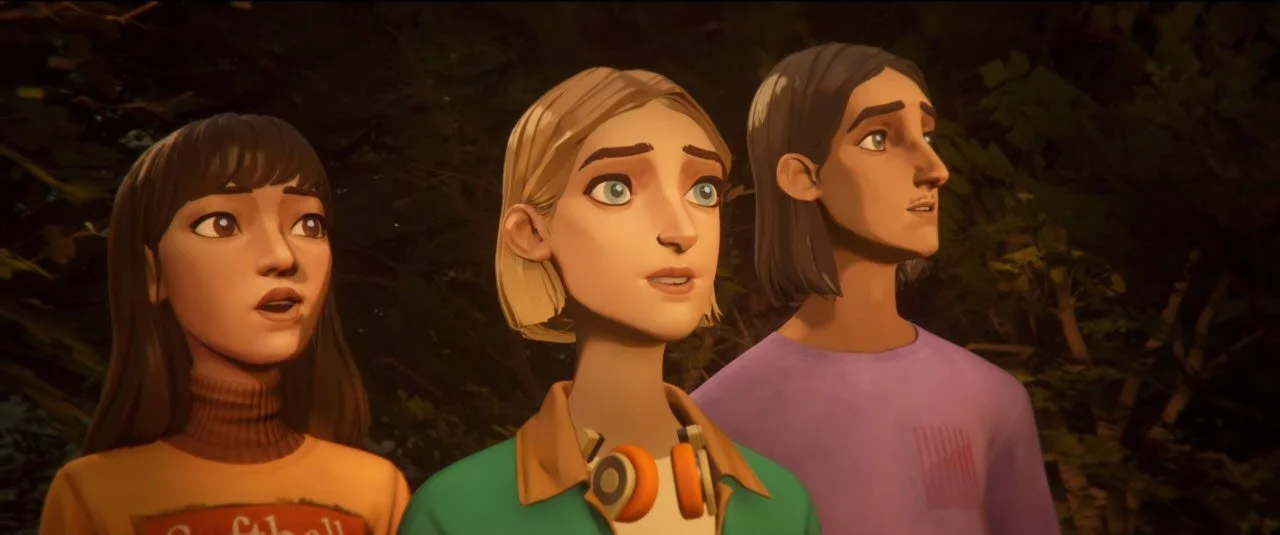
Horizon: Forbidden Profit
As I was putting all my thoughts together and working on this article, a trailer from Sony dropped for a new game in their Horizon series by Guerrilla Games studios. When I saw it for myself and the type of reception it was getting, I was compelled to include it with everything else because, well, it’s just too perfect not to include. If you look at the like/dislike ratio, you might understand why.
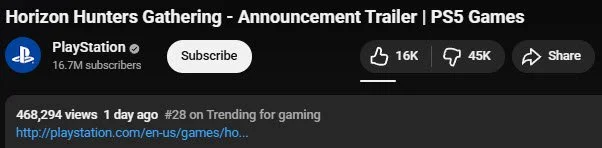
I’m not asking that you watch it for yourself. Just from the thumbnail and the response it’s getting, you might be able to understand why I would include it in this article, with the art style and types of characters featured in this game attached to the Horizon property. Does it resemble anything you’ve seen before? I can tell you it does not resemble the Horizon games to me.
Horizon: Zero Dawn was released in 2017, a year when game studios actually wanted to make money. It was an open-world, single-player, adventure game that took place in an apocalyptic future where humans had been reduced to hunter-gatherers and the world was overrun with sentient robot animals. It was a fun time. I enjoyed it enough to complete the story and get most of the trophies, but not enough to buy the second game. The story and the world were fine, but I wasn’t quite hooked enough to return to it. However, it was compelling enough to others to get a fanbase and a sequel.
The second game, Horizon: Forbidden West, got its own share of controversy when it released in 2022. Some complained about “wokeness” when the protagonist, Aloy, was revealed to be gay, as though that’s all it takes for a game to be woke. Others complained about how the appearance of Aloy had changed between games in a way that many assumed was intentional uglification. I never played the game and didn’t really have a dog in either fight because I didn’t care if Aloy preferred to slam clams or that she was finding forest Funions in the wild. I was more perplexed as to why developers would go out of their way to change the character’s looks in any way other than to make her older. Why not use the same models you already have and add small details of age to save time? It just didn’t make sense to me from a logical perspective. Still, if you were one of those people who were decrying “wokeness” invading your franchise when you played Forbidden West, I suppose the trailer for Hunters Gathering is no surprise to you.
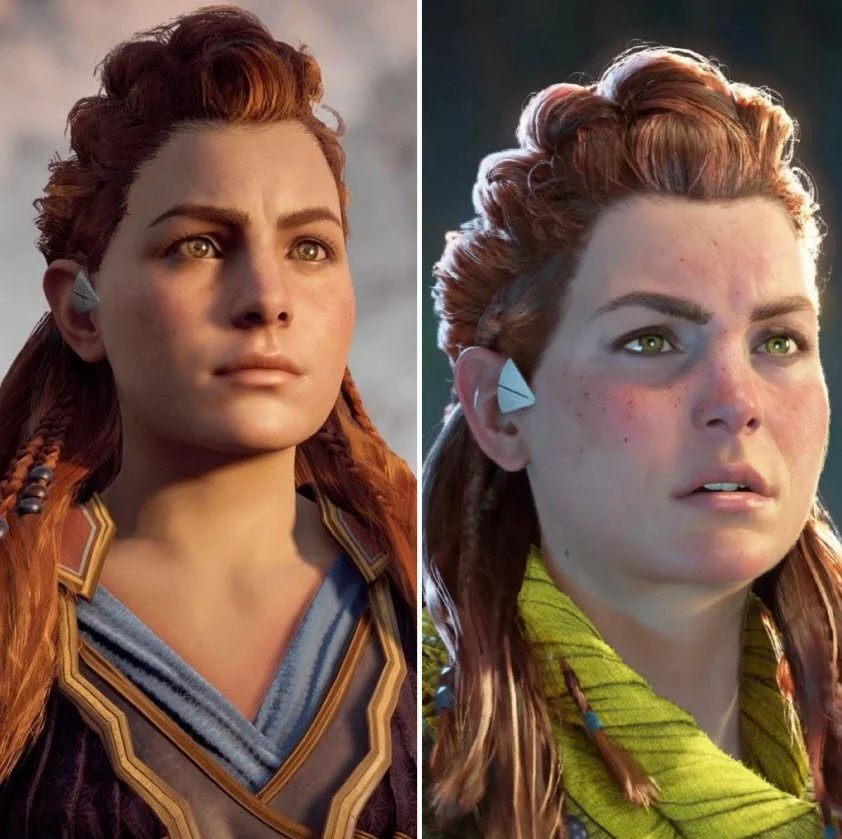
Despite all the blowback Guerilla got for Aloy’s appearance and accusations of wokeness affecting the game’s experience, it seems like the studio did not listen to the feedback when they were coming up with their ideas for Hunters Gathering. In fact, it looks like they doubled down because what is more believable in a post-apocalyptic world in which the human race has been reduced to hunter-gatherers and food is scarce than an extremely overweight woman with pink hair and a peg-leg running quickly through a forest with a battle axe in hand? I guess hair dye is in just as abundant supply as Funions in the post-apocalypse.
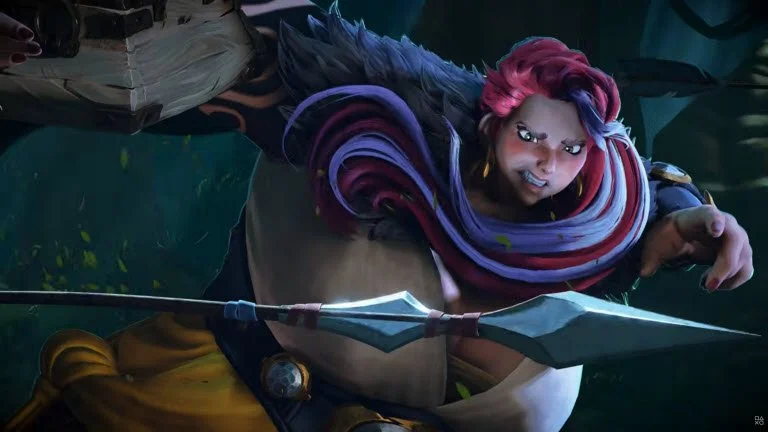
But let’s not focus on the “woke” side of the argument because there’s plenty of other stuff to criticize in the trailer. If you’re at all familiar with the Horizon games, you’d immediately recognize how Hunters Gathering looks very different in aesthetic and tone. The previous games were much more focused on trying to make the world as realistic-looking as possible, with a techno-tribal design to the characters and cities. A lot of effort was put into adding textures to the people, clothing, and robots. Hunters Gathering has gone for a smoother animated look, more akin to a particularly popular game that Hunters Gathering is very clearly trying to imitate. Not to mention, it also resembles the box covers of DreamWorks movies with how many smirks there are in the trailer alone. Hell must have frozen over because a Kotaku writer is actually agreeing with me about its style:
“…not sure a colorful, cartoonish online-only spin-off of the photorealistic solo single-player open-world series Horizon would have been a smash hit with terminally online fans at any point.” - Zack Zwiezen | Kotaku
But enough about how it doesn’t look like a Horizon game. Looks are only skin deep, right? Well, not with video games as I’ve already discussed, but maybe the gameplay is good, right? Concord, Star Wars: Outlaws, and Highguard have been defended as somewhat fun by those who played them, but they still crashed and burned. If your aesthetics are going to immediately rub fans the wrong way, your gameplay has to be amazing and exactly what they want to make up for it. What the developers showed off in their trailer could be fun, but it wasn’t exactly showcasing something we haven’t seen before. It mostly looks like a cartoonish rip-off of Monster Hunter and Fortnite. Unfortunately for Guerilla, what they’ve shown so far hasn’t made Horizon fans excited. I mean, look at the comments for the trailer.
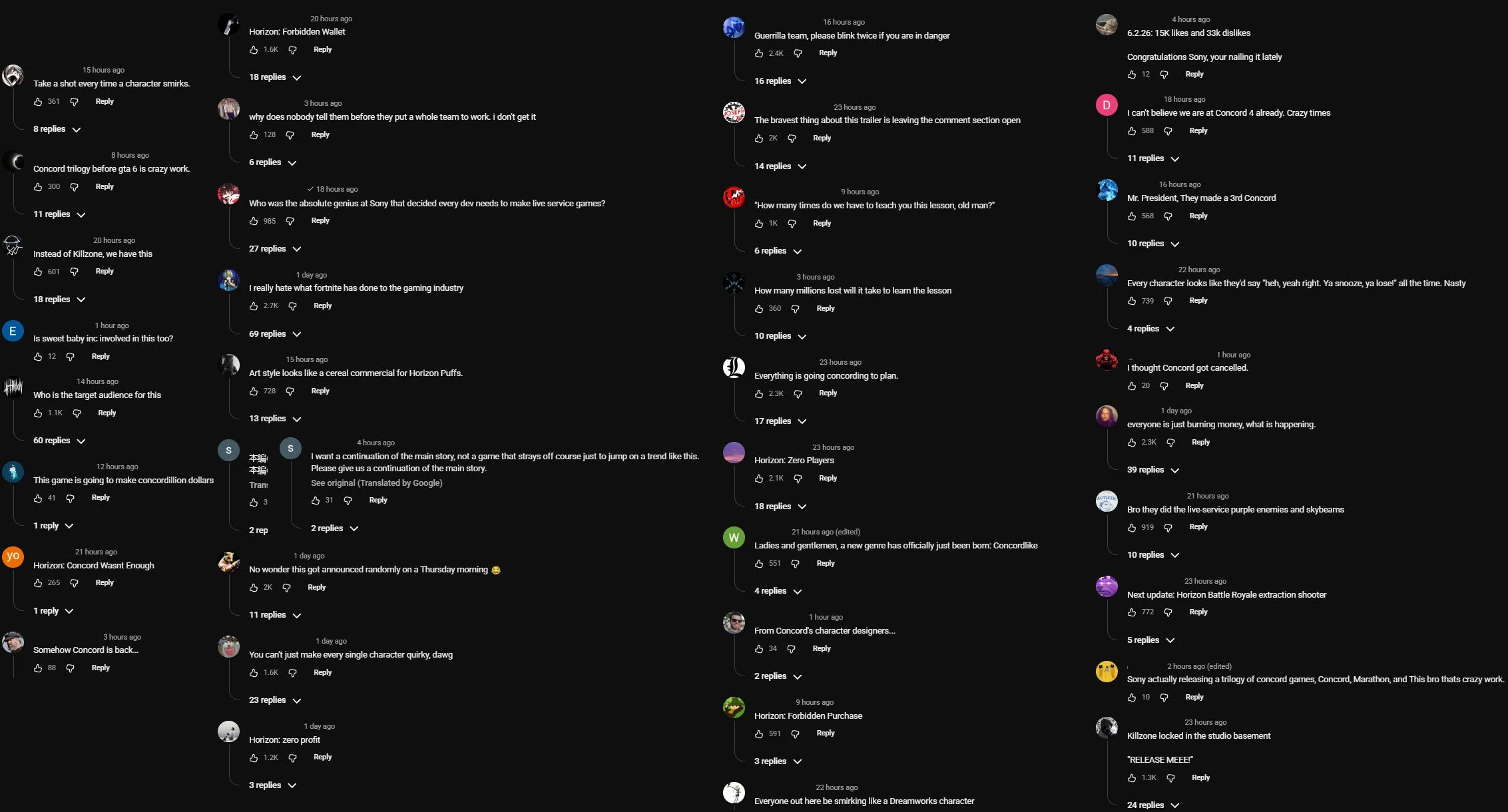
I snipped a bunch of these from the video, just on a quick scroll through the comments. Look at how many references to Concord there are. It’s almost like there’s a particular message the people are trying to get the developers to hear. I’m certain that if Justin Joy from Comicbook.com watched the trailer and then went to the comments section, he would only feel vindicated in his beliefs that gamers are just too negative. Though he’d probably ignore that rather salient point by one whose comment was translated:
“I want a continuation of the main story, not a game that strays off course just to jump on a trend like this. Please give us a continuation of the main story.”
Despite the alleged controversies of the previous games, there are still fans invested in the franchise who want a continuation. Horizon: Zero Dawn and Forbidden West were lengthy single-player experiences in a world that had enough lore and mystery to keep fans entertained. Now, the developers are taking the game in a “live service” direction, as though that’s what fans would want—the term “live service” has been derided as something gross and corporate since its inception, and rightfully so. Gamers are sick and tired of corporations taking things they like (games) and turning them into homogenized, trend-following products that stifle creativity for the sake of trying to squeeze as much money as they can out of the consumer before it inevitably dies. It’s why people make videos like this to mock the industry:
I’d hate to be one of those guys (I actually wouldn’t), but Horizon: Hunters Gathering looks like it’s dead on arrival. Regardless of whether the game is good or not, it will get what it deserves.
The Actual Growing Problem
Justin Joy’s article, “The Video Game Industry Has a Major Problem (& It’s Gamers’ Fault),” acknowledges that the game industry is facing a problem, but he makes a weak argument to blame players while twisting himself into knots to avoid attributing blame to developers and publishers. Some of his statements even make me wonder if he could actually see the real growing problem and decided to be dishonest, rather than innocent ignorance being the real reason why he said such things. Regardless of his integrity, the fact remains that the industry is riddled with issues that are mounting up, and games like Concord and Highguard are the canaries in the coalmine.
In the 1980s, video games were exploding in popularity. The Atari 2600 home console was everywhere, and all sorts of people were making video games for it, including porn games. However, there was nothing in place to ensure the quality of what you were buying. You might find a fun football game that provides hours of entertainment, but you were far more likely to pay too much money to get a confusing and boring game, given how oversaturated the market was. This led to an inevitable crash, with the E.T. video game—developed and published in less than a month by a small team—being the posterchild of the event. People stopped buying games because of their skepticism towards the market after so much trash had been produced. It didn’t recover until Nintendo and Sega came along and changed people’s minds with some consistently good products. There were still plenty of bad games on Nintendo and Sega consoles, but more high-quality games made up for it and balanced the market out.
The current industry is heading towards a similar crash—or it’s already slipping into it—due to the same consumer skepticism and distrust, and the grave they’ve dug for themselves in things like microtransactions, the live-service model, etc. The rise of platforms like Steam and GOG, as well as online stores on consoles, has allowed players to discover games that have provided them with hours upon hours of entertainment. The AAA industry has pushed to make live-service the model of making money because it’s worked so well for a specific few instances. The double-edge of that live-service sword is that those who are playing the big games like Fortnite or GTA Online are not interested enough in the new live-service game to leave what is still entertaining them. Meanwhile, the rest of us don’t want anything to do with what these corporations are selling.
I cannot stress enough how shocked I am that Kotaku, of all places, agrees with me. Look at this quote from their article about Horizon: Hunters Gathering, in which they back up what I’ve been saying all along.
“There are so many more live-service games that seem to be struggling to exist in an era when most people are just playing Roblox, Fortnite, GTA Online, or DOTA 2 forever. As reported by TheGamer, many of the live-service games launched in 2025 have lost most of their players, according to SteamDB. And while there are a few recent exceptions, like Arc Raiders and Marvel Rivals, it is really, really hard to break into the market and stay around. Even brief bright spots, like last year’s mini-breakout MOBA Supervine, eventually lose steam.
All of these attempts to carve out a sustainable multiplayer niche over the last two years have whittled down players’ patience. At this point, every live-service multiplayer thing gets dunked on relentlessly the moment it’s announced. Sure, some of that negativity is just assholes drafting off the “hate everything” digital ecosystems on TikTok and YouTube. But a lot of it is also just people tired of more games that ask a ton of their players without first earning it, only to eventually pay it back with a shutdown notice screenshot on social media.
...It’s hard to get too excited about a new game, even from a PlayStation studio, when that fate already feels sealed. Maybe especially from a PlayStation studio.”
Even Kotaku is calling a game that looks like something they would be more than happy to shill dead on arrival. Are they being toxic, Comicbook.com?
The game industry has been heading recklessly down the path towards a crash for a long time. It’s long been infected by the passionless businessmen at the top who push the predatory aspects of making as much money as possible with things like lootboxes and microtransactions. Corporate ghouls like Bobby Kotick have developed a reputation for being heartless in their business decisions and even in allowing a terrible work environment to form unchecked in companies. Creative developers working beneath them are beholden to the demands of their corporate overlords that a game be made into a live service or something that resembles whatever is currently popular. They’ve been an aspect of the industry and are certainly responsible for a lot of reasons gamers are sick of playing AAA games. However, they’re not the only infection in the industry that is causing it to necrotize.
While it is easy to point the finger at the executives who don’t care about whether or not games are fun, so long as they make all the money, companies have been infiltrated and infected by the same types of people who have been doing damage to the film and TV industry. Some are activists who believe they should use games, movies, and shows as platforms for their messages and ideology that they believe the world needs to hear, and that those who disagree are evil. Some are people who just want to make a fun game and go along with it because they either agree with the company culture or they fear the type of backlash they might receive if they don’t. They’ve all unwittingly fostered a work environment in which feelings and politics have taken a higher priority. Meanwhile, they’ve forgotten what they’re actually supposed to be doing: making something entertaining for their customers.
Like movies and television, video games are an escape for gamers. They provide us a chance to get away from reality and inhabit worlds that vastly differ from our own, and become heroes or villains beyond our capabilities. Nothing breaks the immersion faster than being told by someone else who acts as if they know better what to think or how to feel. When the efforts of the people making these products become more focused on their politics or ideology, they not only risk alienating their audience, but they also risk letting other, more important factors fail, like storytelling or gameplay mechanics. Gamers are just as tired of expensive products that lack innovation or improvement as they are of being sold an experience of escapism, only to be reminded of the real world. There’s a reason a particular viral rant video is the only thing anyone remembers about Starfield.
Do you know what else gamers are sick of: so-called journalists defending these practices. The big problem the industry has is a culture of toxic positivity that has been cultivated by activists inside development studios and by game journalists who share their ideologies. It’s a culture that rejects and ignores criticism for the sake of protecting the sensitive feelings of individuals. It’s a culture that blames “the other” to escape accountability. It’s a culture that prevents growth and improvement because those involved are incapable of self-reflection, unable to see the forest from the trees. The industry is headed for a crash because it’s not willing to change its bad behavior or recognize its mistakes, and there are people actively trying to make sure everything stays on its current course.
Why Any of This?
Why did I take the time to respond to Comicbook.com with all this stuff? Well, because they’re not alone in their opinions, which I believe to be wrong. IGN has its own article defending Highguard in which they say, “…it increasingly feels as if there’s now almost an underlying need for new releases to be bad if they’re not exactly what we want from one.” Gamerant has an article that talks about how many developers in the industry agree with this perspective:
“As news of Highguard’s player count dropping by 80% made waves across social media, devs from other studios criticized how much people have focused on the negative. Remedy Entertainment Communications Director Thomas Puha questioned if media outlets were celebrating Highguard’s poor performance and “just putting out negative headlines for the sake of it.” Baldur’s Gate 3 Publishing Director Michael Douse quote tweeted this statement and added that “game development runs on optimism,” not strictly economics. According to Douse, the celebration of failure makes it hard for studios to really understand what players want and can stand in the way of creativity. Perhaps more importantly, cynicism can drain devs’ enthusiasm, which isn’t good for the industry or games themselves.”
While I was writing up this lengthy response, a member of the Highguard development team, Josh Sobel, who was laid off due to the poor financial reception of the game, spoke out about it on social media, blaming the game’s failure on the negative Nancies of the internet. He’s a young guy who is having trouble accepting a failure that he worked on for several years, and he shouldn’t be bullied for his opinions, but his reaction to how the game was received only further proves my point that the game industry (and the shill journalists) are trapped within thought bubbles. In the Highguard developer’s posts, he said that internally, “There was, apparently, a widespread expectation that the game was a sure-fire hit.” Well, it wasn’t when it was exposed to the rest of the world, which is actually all that matters. It even had all the opportunity in the world, and as a Redditor commented, it was given way more of a chance than Concord ever got, with more than 90,000 concurrent users at launch. That tells you that a lot of people tried it and did not enjoy it enough to stick around, not that the negativity surrounding its trailer prevented people from playing it. The faults of the game are what led to its downfall, but he can’t accept that. It’s a perspective fueled by denial and refusal to actually look at the facts and reflect on mistakes, which will only lead to more failure and loss of funds.
Thankfully, as I’ve already pointed out with my references to Laura Fryer, there are plenty of other developers out there who push back on the narrative that gamers are to blame for the failures of games. Adrian Chmielarz, creative director behind smaller games like Witchfire and The Vanishing of Ethan Carter, said in a recent response to Josh Sobel’s social media post:
“There is no bigger mystery in game development to me than games that hundreds of people work on for years, and nobody can see that they are just bad and stand no chance...It truly boggles my mind. The article starts with quotes about how the game was received internally, yet all it took was one trailer for an average gamer to understand this was doomed to fail.”
The truth is, the industry is reaching a tipping point. One development studio after another is facing layoffs and shutdowns. Those who fail to recognize their faults and adjust accordingly to the demands and expectations of the public are destined to follow suit. Those who choose to remain in their bubble will be blindsided when reality hits them and may be unable to recover as a result. Those who will survive are the developers who are capable of innovating and improving and who aren’t afraid of criticism. Since independent developers have an easier time steering their small ship and changing course, I have faith that they will be the ones to rise from the ashes of the smoldering game industry.