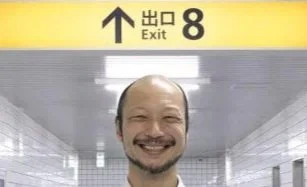
Exit 8 (2025) | Perditus Ad Infinitum
Another day, another film adaptation of a video game. There have been some successful examples of this in terms of box office performance and public reception, like Minecraft and The Super Mario Bros. Movie, which were not necessarily the most faithful of adaptations. We can blame them for the next few years of video game adaptations flooding the theaters as Hollywood continues to fail to come up with anything original.
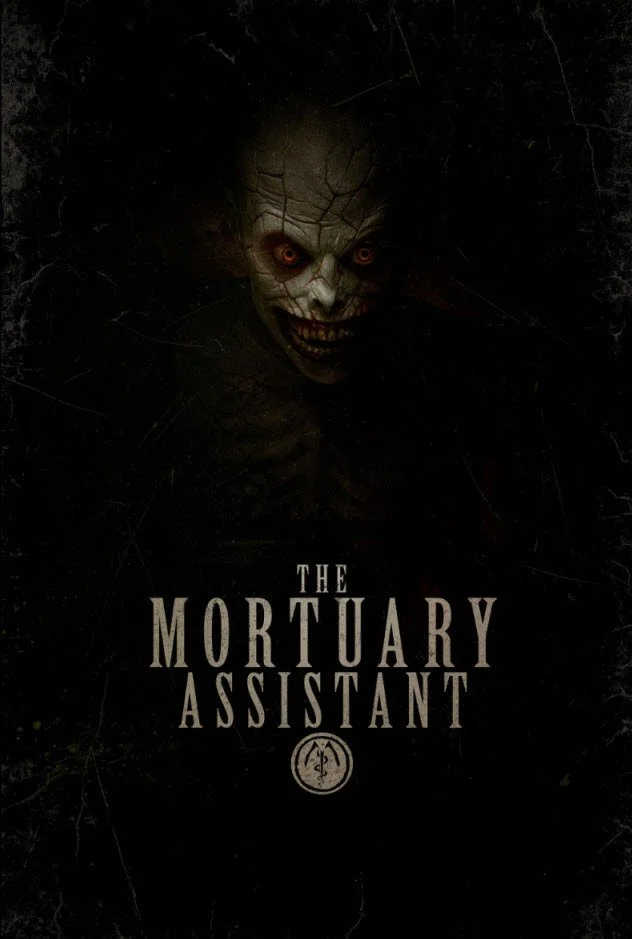
Then you have something like The Mortuary Assistant that tries to remain relatively faithful to the experience of the game, but doesn’t hit the mark of excellence when it comes to making a good movie. Exit 8 is a recent attempt at adapting a video game to a movie. Does it rise to the occasion or end up as weak and forgettable as some of its predecessors?
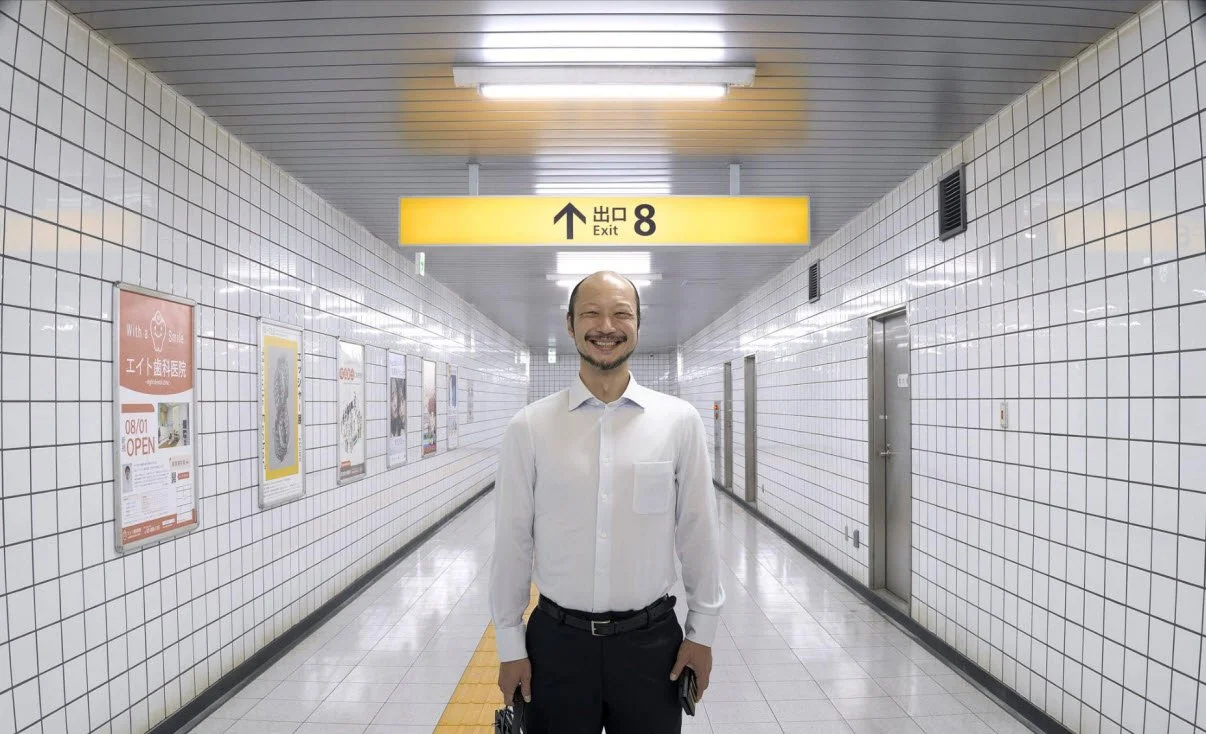
Image: Neon
Pros
Interesting camera angles and filming techniques with long shots
Decent use of practical effects
A simple use of themes that works well
Effort was made to emulate the video game’s experience
Under two hours long
Cons
Characters are slow-thinking dimwits
Weird and distracting performances
Digital effects don’t look great
Lots of staring at things to seemingly extend the runtime
Plot & Thoughts
A young man (Kazunari Ninomiya) is on his way to work via the subway when he gets a call from his ex-girlfriend (Nana Komatsu), who explains that she’s at the hospital and is pregnant. The shock at the news distracts him enough that he doesn’t realize he’s wandered into a space between worlds in his dazed stupor. There’s nothing particularly odd about the area when he first wanders into it, as it looks like any other long set of hallways in a subway station. However, after the third time he passes the same set of posters, the same walking man (Yamato Kochi), and the same signs pointing him towards Exit 8, he finally realizes something is amiss. Signs on the wall instruct him to look for anomalies and to walk in the opposite direction if he spots one. If he makes a mistake and goes the wrong way, any progress he could make to escape this purgatory will be lost.
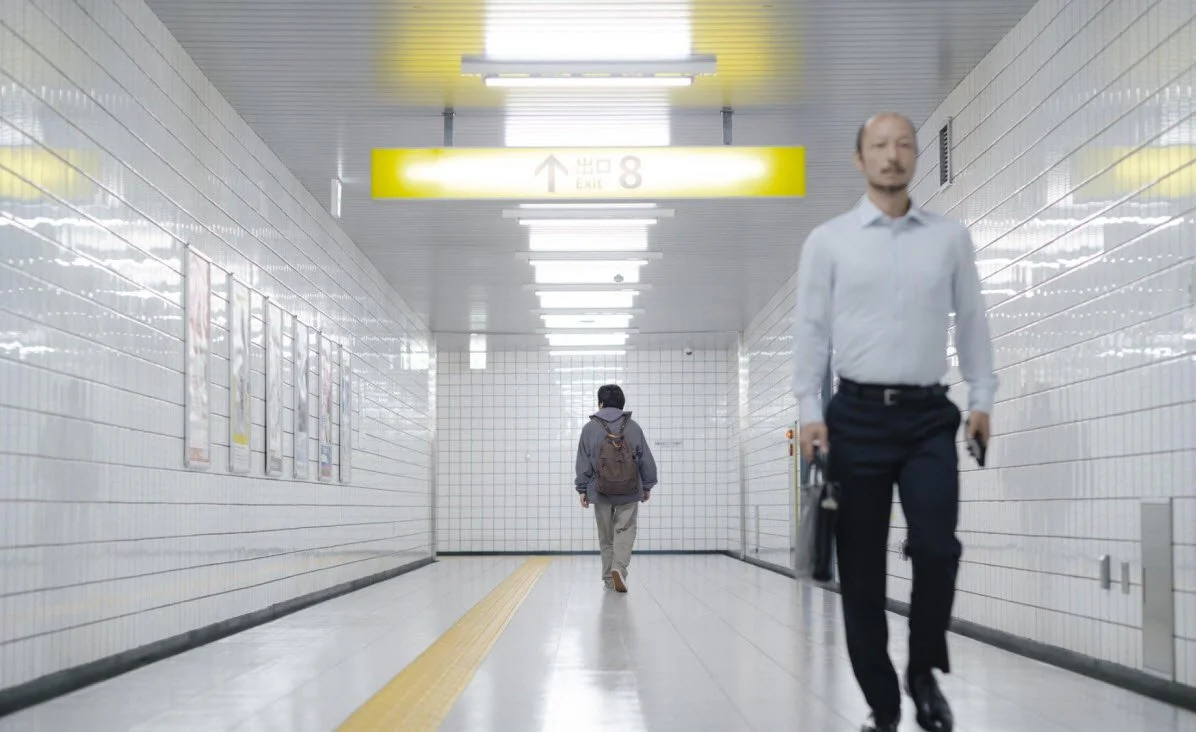
Image: Neon
Exit 8 is a small, simple horror movie that manages to achieve most of its goals; it works pretty well. Even though it’s considered horror, much of the experience is more on creating a surreal environment rather than doing anything particularly gruesome. There are a few scenes involving some creatures or blood, which don’t look especially good because of the digital effects. Still, the set itself looks great, and the way the film is shot using a lot of long, panning or rolling shots gives the movie a great style and appearance. There are many scenes in which the camera keeps rolling, and we are taken with the characters through the hall as though we’re on an uncanny theme park ride. It makes for a rather unique and intriguing experience to help the movie stand out and stay interesting for its relatively short runtime. Speaking of runtime…
There are a few details that stand out to me as examples of padding the length of the movie so it would reach the bare minimum required to be something that could release theatrically in some capacity. As I mentioned, there are a lot of rolling shots that continue down the hallway. There are also numerous shots in which a character is looking at something or reading a message for a lot longer than a normal human being with enough brain cells would. The characters are facilitating these shots and making things go on longer than normal. On the one hand, this adds to the uncanny atmosphere and surreal appearance to the movie with so many long shots to make things feel a little off. On the other hand, it makes certain parts drag, and it also makes the characters seem a little dumb.
While the characters are at least quick to pick up the rules of the situation, there are multiple instances in which they miss an obvious anomaly or make a somewhat irrational decision, such as not immediately turning around and going the other way when a new sound occurs, or the lights go out. They know that they should be looking for the slightest difference, and if there is, they should go back the other direction; there is no reason to stick around. However, there are multiple scenes in which a character does not come to this simple conclusion and instead stands dumbfounded and petrified before the actual horror or dangerous event occurs.
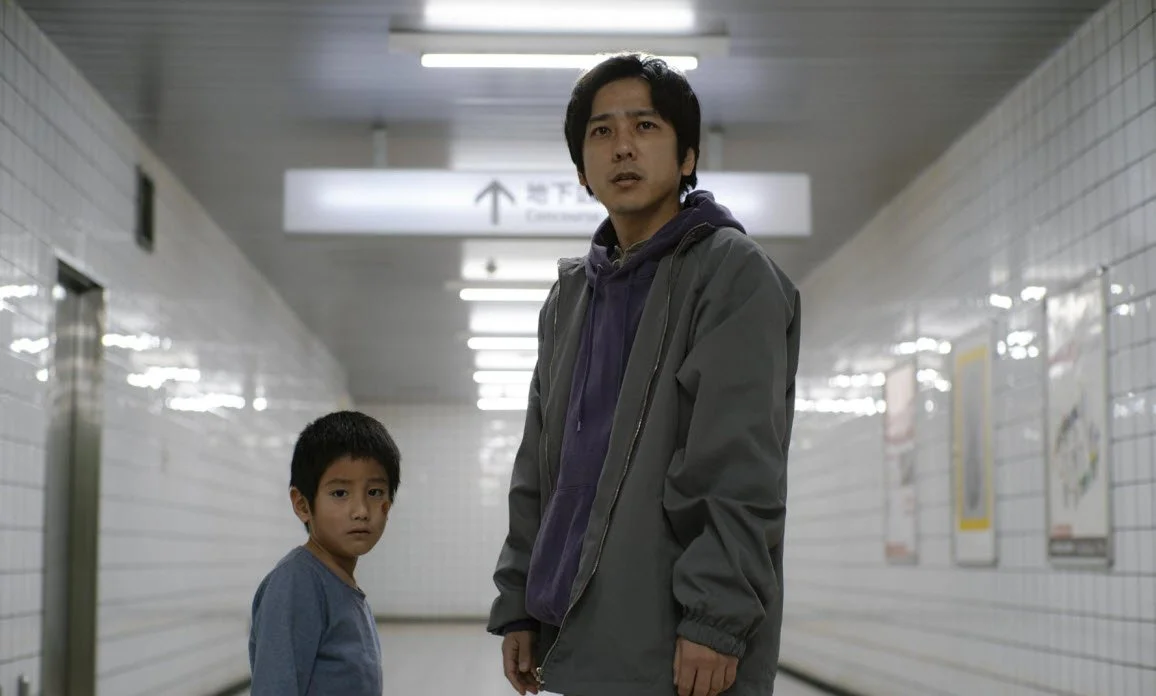
Image: Neon
This, of course, leads to the character being forced to endure more loops through the endless hallway. While I think the level of fear and frustration conveyed by the actors is appropriate to their situation, there are moments when it goes a little over the top. The seemingly wild tantrums look worse and make the characters less sympathetic when they do things that act somewhat stupid or irrational. I can empathize with characters caught in a difficult situation or a time loop out of their control if they’re making rational, smart decisions and keep getting screwed over—this tends to be more difficult to write, which is why we don’t see it very often. It’s a struggle for me to sympathize with a character having an epileptic fit of frustration when they really haven’t been trying or thinking very hard.
Not to belabor the point, but there are multiple scenes in which the characters could very easily have gotten out of harm’s way and gotten a level closer to escaping a lot sooner. As I mentioned, if you don’t see an anomaly, you move forward down the hall; otherwise, you move back the way you came. This means that if a character notices an anomaly a few feet into the hall, which happens multiple times, they could quickly turn around and head the opposite direction and avoid any danger with relative ease. Had the rules been that “if you recognize an anomaly, you must run forward,” that would at least give a reason to force the characters to move towards or through the danger because their exit is much further away. It wouldn’t really be accurate to the game’s mechanics, but it might be a necessary change to preserve the intelligence of the characters. Since the original game’s mechanics are geared more towards providing an experience in which you can test your curiosity and inspect dangerous anomalies because players don’t have any real-life risks to doing so, it works in that situation, but it doesn’t quite translate to a film script.
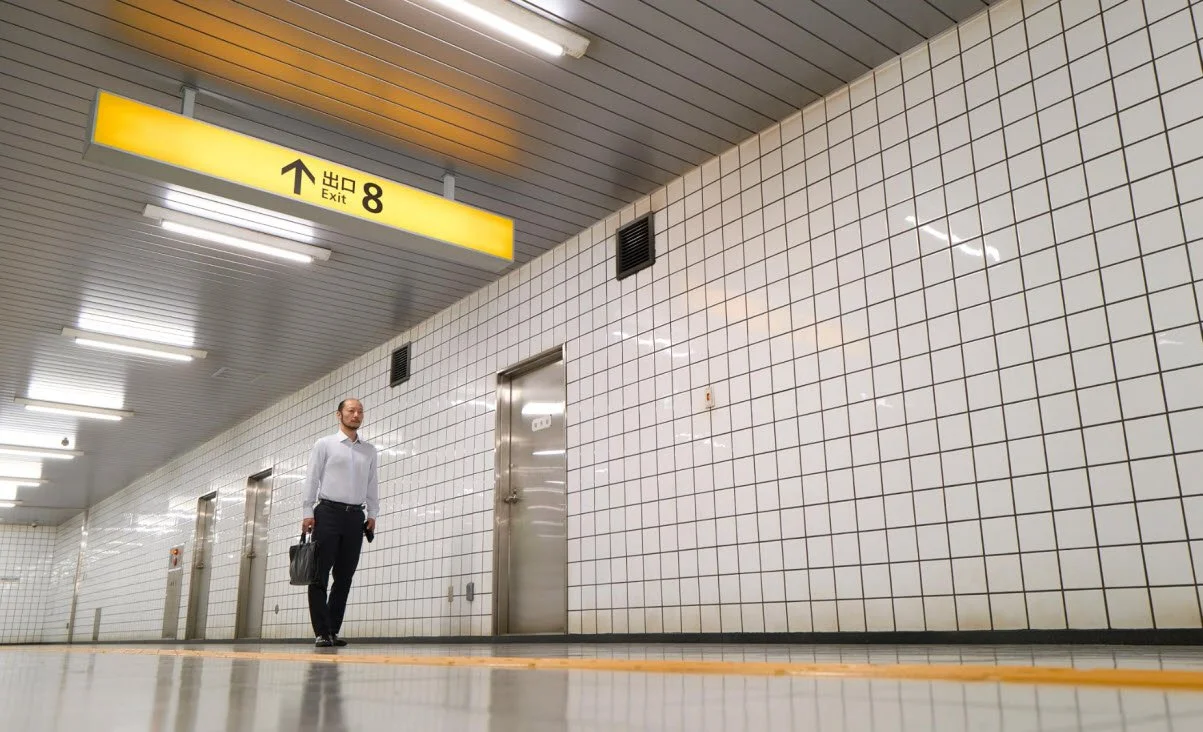
Image: Neon
All that being said, Exit 8 does a commendable job of adapting a video game that I would consider somewhat difficult to use as source material. The original game is of a particular genre that has gained popularity in the past few years, in which the players are meant to spot the difference in images or locations. It’s a very basic mechanic/scenario that can provide a bit of fun, but it’s rare for these types of games to have much of a plot or story attached that is beyond a very basic premise. The original Exit 8 game asked the same of its players as the film does with its characters, who sometimes make the same sort of decisions or mistakes a player might make, such as assuming something has changed when it actually hasn’t. For fans of the original game and other games like it, I would assume most would be pleased by how Exit 8 translates the game experience into a movie.
TL;DR
Exit 8 is a short and sweet, surrealistic, psychological horror film that manages to adapt its source material relatively well while also telling a decent story with familiar themes and creative direction to keep you engaged. It’s not a particularly scary, wild, or disturbing experience. Nor is it necessarily doing something entirely new. Nonetheless, it manages to be an entertaining film with some effective moments and is worth its short runtime.