Robocop: Rogue City | Play. Or There Will be…Trouble
Robocop is an absolute classic action movie from 1987. When I compare my three favorite Paul Verhoeven-directed action movies (Robocop, Total Recall, and Starship Troopers), it’s a difficult choice of which one to consider his best because they all manage to have great stories, characters, special effects, and so on. Most notably, they all have some element of his signature satirical tone in how he depicts his dystopian worlds with stark contrasts in style and substance.
Robocop is probably the most overt of the three in its tones, with easily amused citizens of Detroit laughing at videos of a guy saying “I’d buy that for a dollar,” and smiling news anchors delivering devastating news, while rampant crime and brutal murders are happening all across the city, barely being thwarted by an understaffed and overworked police force. Meanwhile, the corporate overlords at the mega-conglomerate, OCP, are constantly scheming up new ways to take advantage of Detroit’s citizens to rake in more money. Robocop is a dark and cynical prediction of a world we have, unfortunately, been hurtling into ever since the movie came out. Depressing as that is, it doesn’t change the fact that it’s still a great movie that holds up decades later.
Considering the recognition of the Robocop brand, I wouldn’t have expected an official game with the likeness and voice of the original actor, Peter Weller, to be released as a budget game developed by a relatively small team. Considering the track record of movie-brand-based video games not being particularly stellar, I would not have expected Rogue City to end up being as good as it is. There are plenty of issues, but before I get into any details, I’ll just say how pleasantly surprised I am.
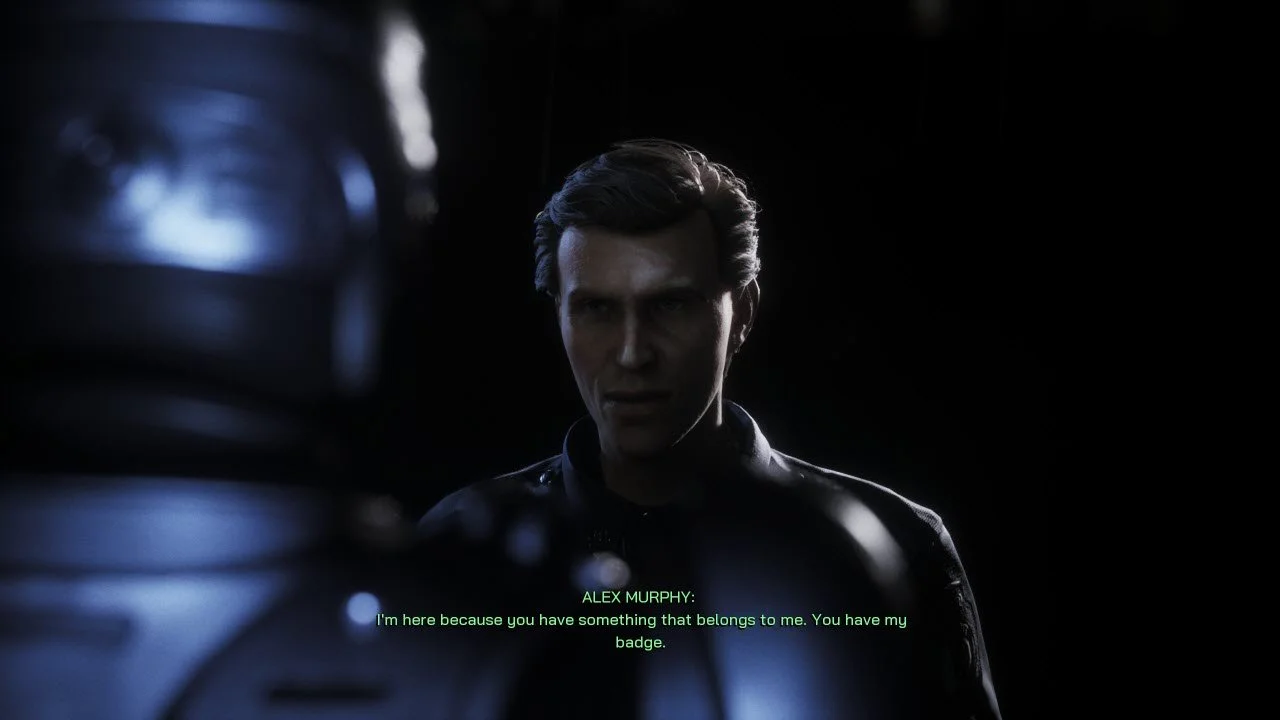
Image: Nacon
The Short of It
What I Played
19 hours
1 playthrough of the campaign to completion
Version 1.7.0.0
Pros
Satisfying gunplay and combat mechanics
Decent weapon and skill upgrades that add to the experience
Rewards exploration with various secrets and upgrades
Utilization of familiar actors and voices to sell the presentation
References and fan service that don’t feel completely shallow
Tonally consistent with the Robocop universe
Cons
The music, while inoffensive, was somewhat dull or absent a lot of the time; I ended up playing my own instead
Various performance issues and stuttering on an older graphics card
Lots of texture popping and visual bugs
A little too much retreading of concepts from the first movie
Missed opportunities for satisfying kills
The Rest of It
Story
Robocop is protecting the citizens of Detroit as he usually does, but during one particular hostage situation at a TV station, he starts to experience some glitches. He loses control/consciousness during a hostage negotiation, but his partner, Lewis, is able to back him up and save the day. When the detective trail leads the two of them to a secluded part of town where the criminals responsible for the attack at the police station are hiding, the source of Robocop’s glitches is revealed. A man named Wendyl Antonowsky has come to town and is using the local gangs to commit various crimes that none of the police fully understand. With his arrival, Robocop is disabled once again, and Lewis gets shot and hospitalized (thankfully, this isn’t a remake of that piece of trash, Robocop 3). With Lewis out of commission, Robocop sets out on Antanowsky’s trail for answers. Along the way, he saves citizens, kills creeps, and serves justice.
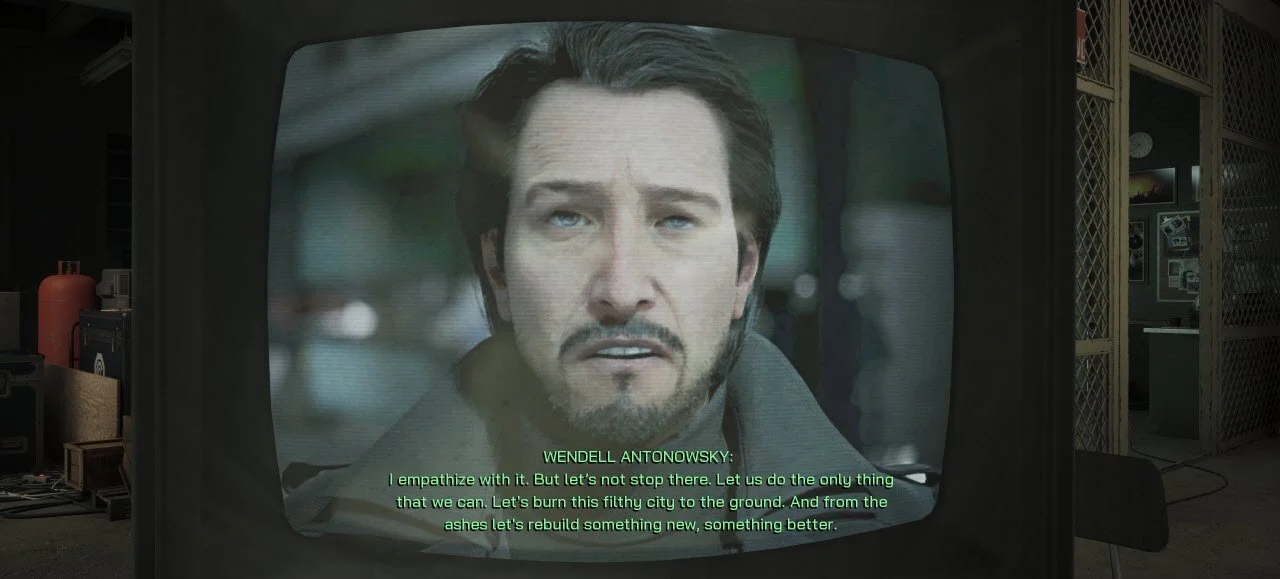
Image: Nacon
The story of Rogue City is not a complicated one, but it fits right into what you might expect a Robocop story to cover. It does start to get a little out of control as things begin to wrap up, and you wonder why the lessons of the first two films were not learned by anyone at OCP, but it still feels like a very Robocop story. The hunt for Antonowsky brings Robocop to various areas in the city, some multiple times, and you have various opportunities to go through some side quests for additional story beats and rewards.
Some side characters you meet throughout the game have dialogue options that can alter how they view Robocop and lead to alternate endings and declarations. For example, one character named Pickles is a drug addict who has a good heart and feels that he owes something to certain police officers, who show up at different points throughout the story to help you. During these side missions with him, you can be encouraging or disparaging towards him, which other characters might comment on before the game is over. I mostly chose things that I figured Robocop would say, which would often be followed by a small TellTale-type notification saying that Pickles will remember that. Having only completed one playthrough at the time of writing this, I cannot confirm how significant the changes are to the side characters if you decide to answer differently.
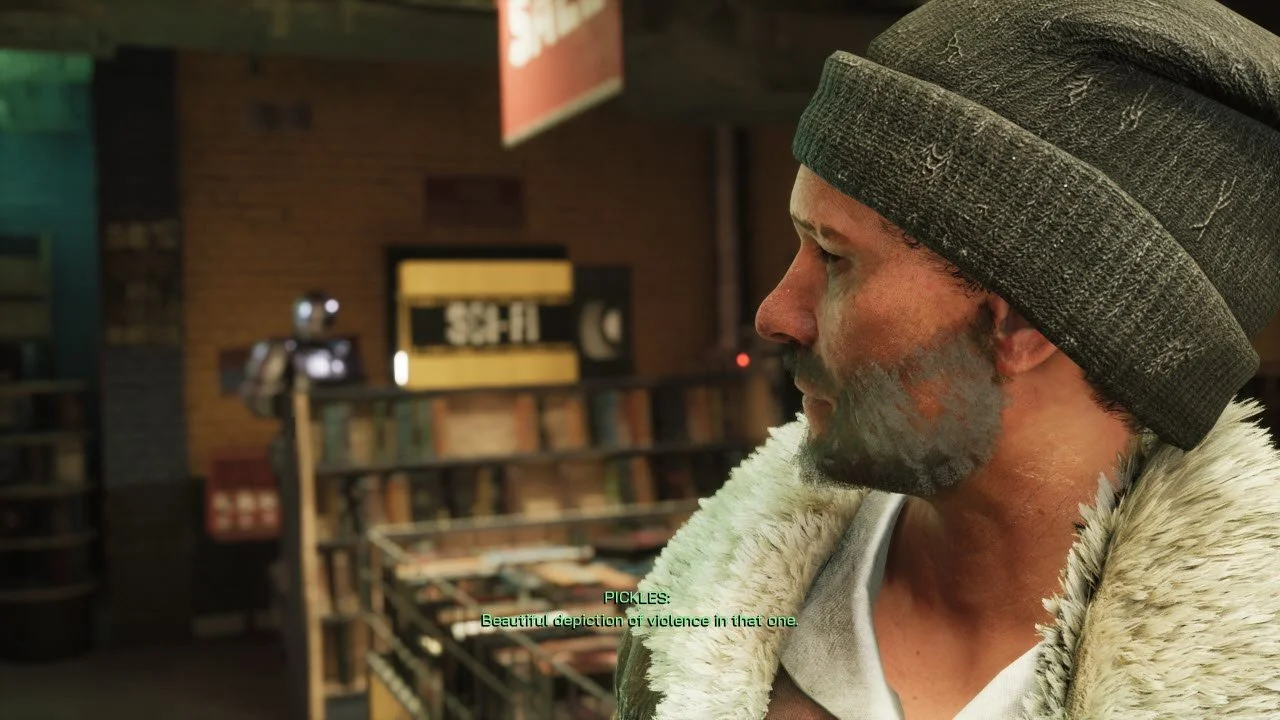
Image: Nacon
There are also plenty of villains or antagonistic individuals you encounter throughout the story. I’d say that if there’s one spot where the story drops the ball is that you aren’t given the satisfaction of eliminating most of them, some of whom are real scumbags that would be deserving of some harsh Robocop justice. Aside from the final boss, most of the guys are either killed by someone other than Robocop or during a cutscene that doesn’t let you pull the trigger. It’s a shame because the game does a good job of making several individuals really easy to hate.
Gameplay
Rogue City is a first-person shooter with some upgrade mechanics to slightly alter how you play. You have your iconic Robocop pistol always at hand, but you can also pick up a variety of secondary firearms ranging from small pistols to rifles, grenade launchers, sniper rifles, etc. Your iconic pistol has unlimited ammo, but the secondary guns are limited in their rounds. Since some of them are slightly situational, you have to keep track of your ammo supply. I often found it more reasonable to keep a long-range weapon handy as the secondary gun, unless I was running around inside a basement with tight hallways, just because your pistol could handle most other interactions at close to mid-distance.
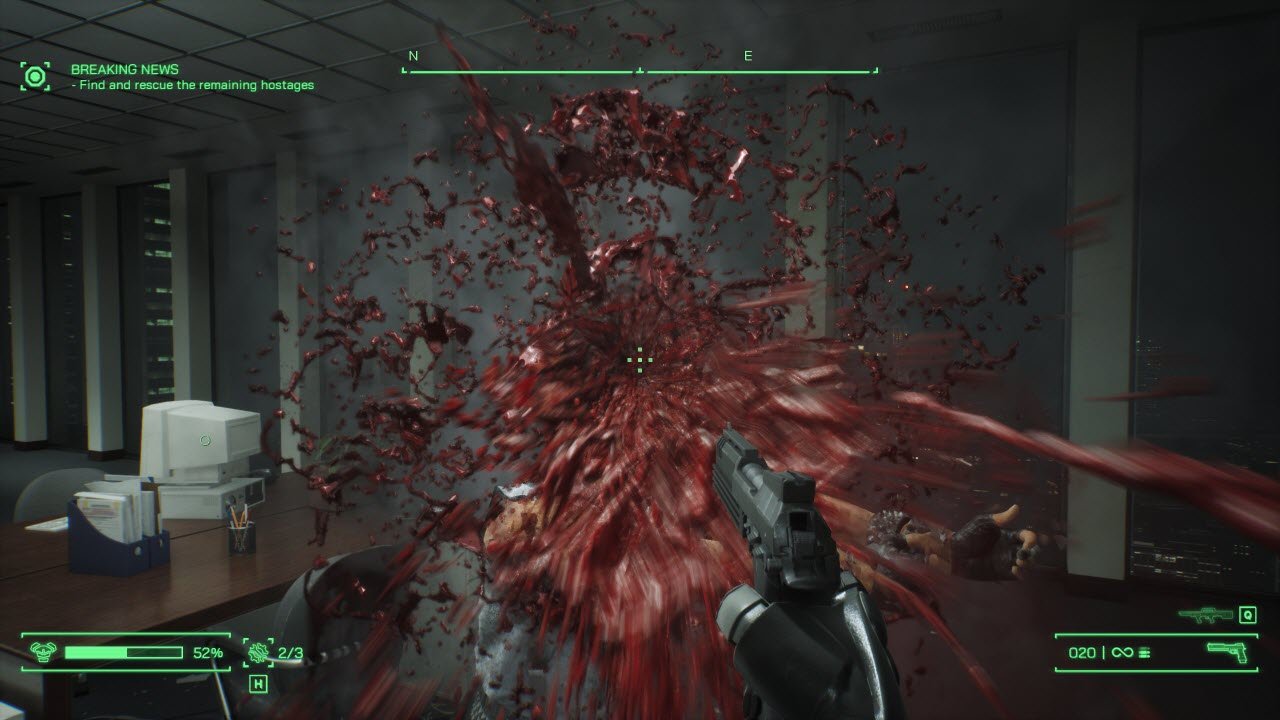
Image: Nacon
At the beginning of the game, your pistol does a perfectly fine job of killing creeps and street scum at close to mid-range, but armored enemies and long-range shots are not quite as effective. There is an advantage to your pistol, however: your sidearm is upgradeable. As you progress through the game, you can find motherboards and routing nodes for your gun. The motherboards act as little puzzle power-up maps on which you can place multipliers to route energy. Since the multipliers have different routing paths, you cannot simply plug in whichever node you want, wherever you want. In addition, there are some nodes on the motherboards that can either boost or reduce your combat capabilities. Some of the nodes are more than simply accuracy and damage bonuses. There are nodes that also apply bonus effects like bullet spread, automatic reload, extra gore, etc. So, you have to be particular with how you place your multipliers if you want to maximize your effectiveness, which makes the whole upgrade process a fun little puzzle minigame.
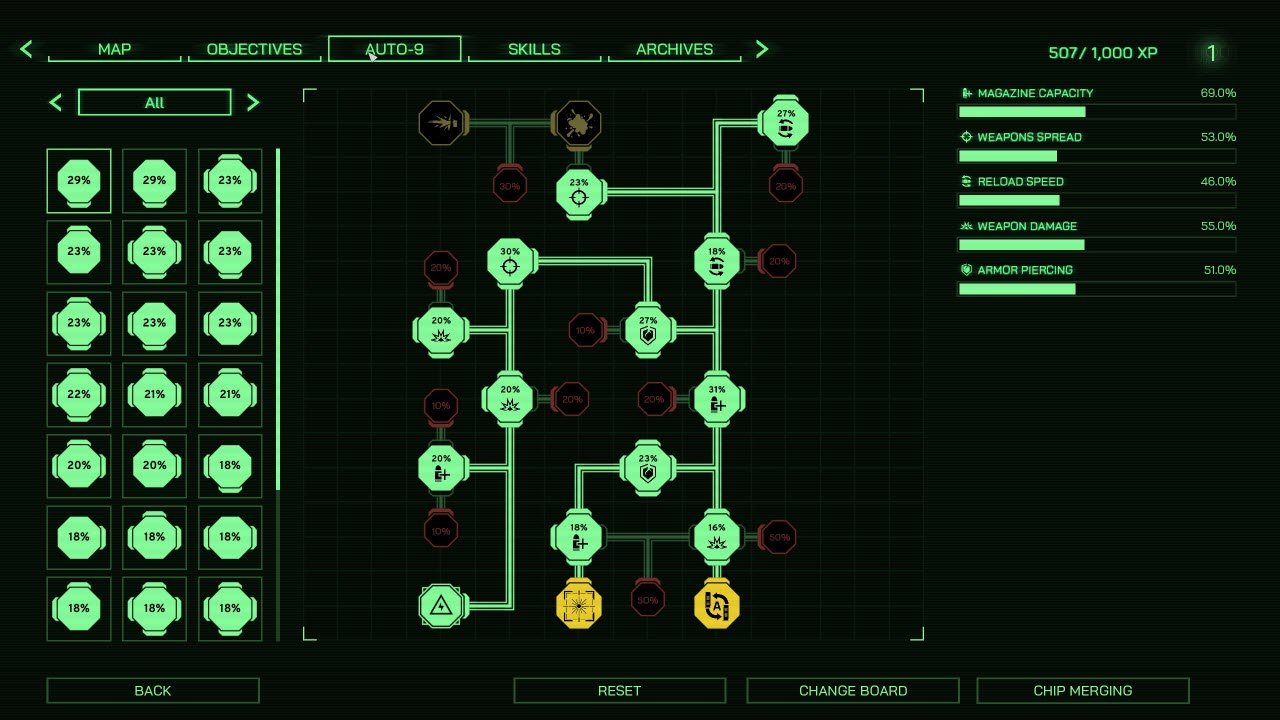
Image: Nacon
In addition to your gun, you can upgrade Robocop. As you complete various tasks and quests, you earn experience that then converts into upgrade points. You’ll also get graded at the end of certain levels on your performance to give you bonus experience points. You can use the points to upgrade various attributes that can also unlock special abilities that can help you in combat scenarios, like a temporary shield or a dash. The dash is not the most useful outside of getting in and out of cover, but it certainly makes it easier to close the distance on some guys so you can grab them and throw them—which was always my favorite method of dispatching enemies because of the hilarity of ragdoll physics and the possibility of them getting stuck in a wall from the impact.
Not everything is geared towards combat, however. There are upgrade paths for discovery and psychology to help you find more things on the map or improve your chances of getting more dialogue options. There are also occasional instances in which you need to meet a certain skill point threshold in order to complete a side quest. For example, there is one NPC who is having trouble with an ATM at some point in the game. You can help him if you have enough points in the Engineering path, which mostly passively boosts your defense stats during combat. So there are instances in which the RPG mechanics come into play in a fun way.
Throughout the game, you’ll interact with the citizens and have opportunities to carry out acts of justice on the big and small scales. You might issue a parking ticket. You might interrupt an act of sexual assault. You might pull somebody out of a water fountain who was washing their feet. You’re given the option to enforce the law or simply give out warnings, which will alter the public perception of you. It’s not measured in a visible meter or interface anywhere, but murals and various other imagery are added to the world as a diegetic method of letting you know whether the public thinks you serve the people or the tyrannical OCP.
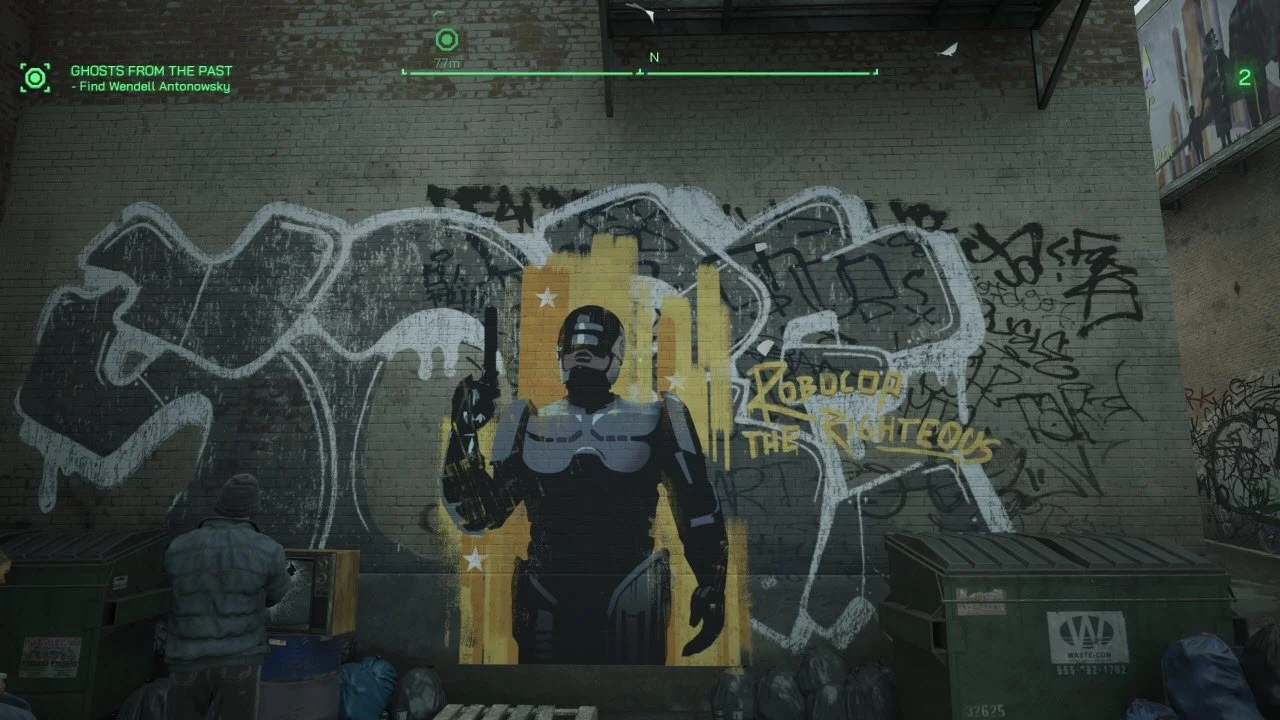
Image: Nacon
Robocop: Rogue City is simply punching above its weight. It’s a budget game that is attempting to do a lot with very little. There are far more mechanics at play than I would have initially expected of a budget title like this. While I certainly died plenty of times, I didn’t ever feel that the game was too difficult on Normal difficulty. There always seemed to be just enough healing items scattered around to help you survive even the most intense encounters. While you’re introduced to new enemy types throughout the whole game, it wasn’t until the final third that I started encountering guys with body armor. At first, it seemed like the pistol wouldn’t be sufficient to stop them and that I’d have to hunt for their armor-piercing guns for a fair fight. However, when I learned they still went down pretty quickly if I shot them in a very tender spot, it was back to business as usual. By the end, the upgrades to the pistol and Robocop made it nearly impossible for even the toughest enemies to stop me.
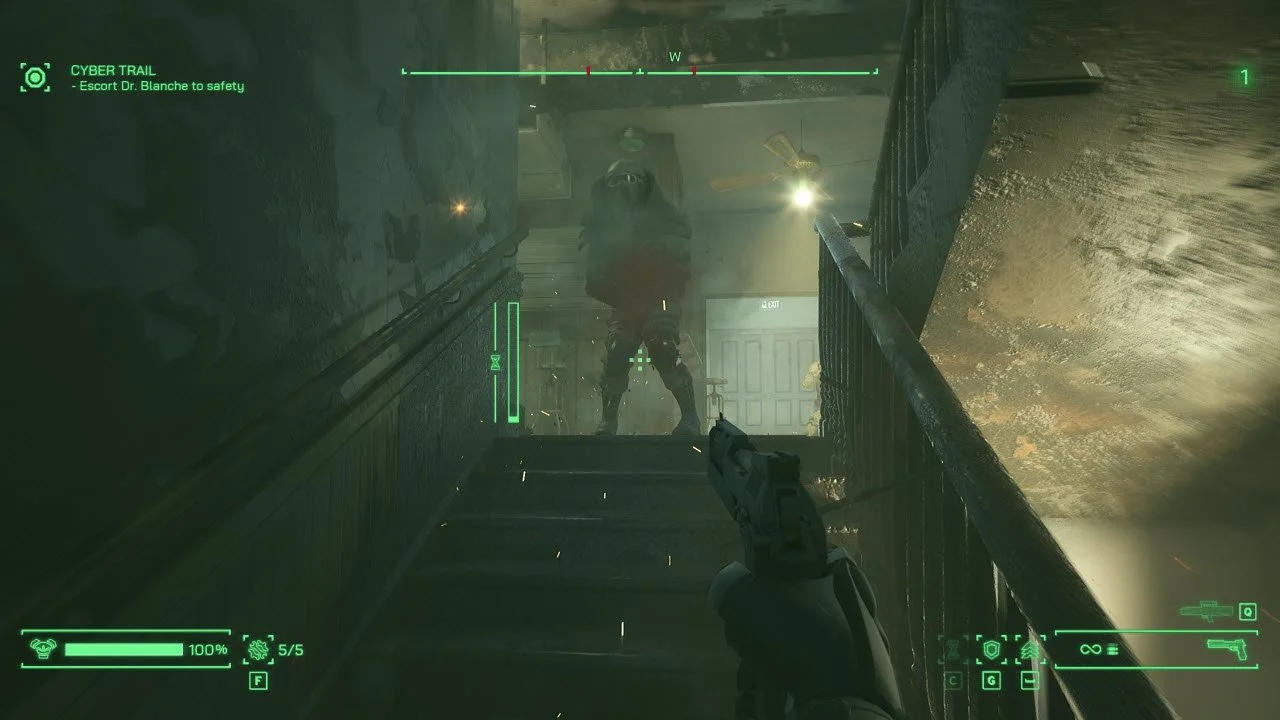
Image: Nacon
The core combat and gunplay are straightforward but very satisfying. I never got bored going around and punching or shooting criminals. I didn’t get bored when I walked through the precinct and interacted with the different police officers, getting small snippets of story or getting a high score at the shooting range. I didn’t get bored exploring various open areas for secrets and bonus experience. I DID get bored, however, on a particular mission in the middle of the game.
In the mid-point of the game, Robocop comes face to face with Wendyl Antonowsky, who is clearly using some special technology to cause Robocop to glitch out. In the mission “Ghosts from the Past,” you are chasing him through an abandoned mall and killing goons that get in your way, while Robocop’s vision is constantly switching back and forth between reality and hallucinations of his wife and son. This goes on for a while, and eventually the combat just goes away entirely as you make your way through some Layers of Fear walking simulator scenes as Robocop’s vision continues to glitch out. I don’t mind walking simulator games like Layers of Fear, but I prefer that style of storytelling and gameplay not impede the experience of an action game as it does here. For one thing, it just goes on for too long after interrupting a combat section. It’s also retreading the themes and story of Alex Murphy dealing with the life he lost, which was pretty well covered in the first movie, and a little in the second; I don’t need to see these story beats again. I didn’t mind them as smaller pieces of the story, but this particular mission makes the sequence go on for too long and definitely wears out its welcome. Thankfully, that sort of lengthy segment where we just have to walk and wait for the game to let us play again doesn’t return for the rest of the experience.
Presentation
As I mentioned, Robocop: Rogue City is a budget game that was made by a small team, so I cut the developers a fair amount of slack when it comes to the overall presentation. They’re also using Unreal Engine, and I don’t get the impression that they’re true masters of the engine, capable of fully optimizing their game. Now, take my opinions with a huge grain of salt, as I am using an older graphics card that has served me just fine with most games over the past few years, but Rogue City’s presentation is pretty rough in a lot of places.
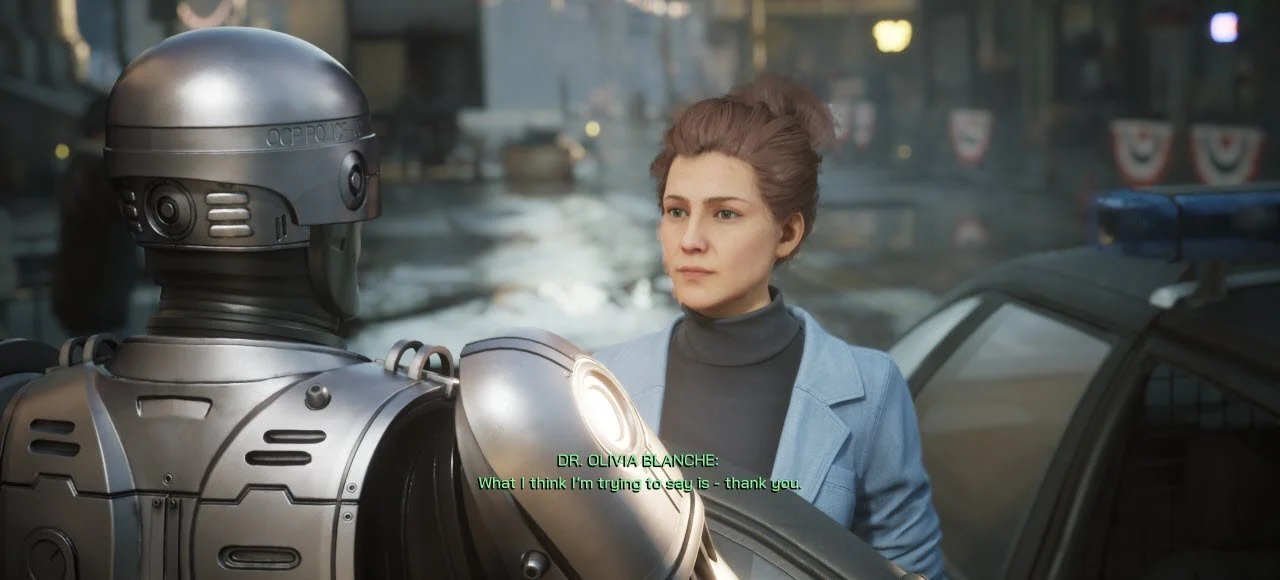
Image: Nacon
It is very much an Unreal Engine game. Reflections and lighting quality look good when you stand still to admire the environment. Skin textures and hair on NPCs, or how the NPCs look when they talk, however, aren’t great. Likewise, the texture popping that Unreal is known for is all over this game and will frequently happen if the camera jumps from one perspective to another during a short conversation between an NPC and Robocop. If texture popping bothers you at all, you’re going to have a rough time with Rogue City if you don’t have a graphics card that can render everything fast enough for you not to notice.
The same goes for framerate. I didn’t have many instances in which the framerate slowed down during combat scenarios, but the occasional performance hiccup was noticeable. You might have a better experience with a more powerful graphics card, but I’m not convinced this game is well optimized enough to prevent that sort of thing from happening.
I do know that, regardless of what graphics card you have, you’re likely to encounter some glitches. I certainly had plenty of instances in which a ragdoll body would get stuck in a wall after I threw them or shot them and started to rumble and twerk. There are a lot of destructible pieces of the environment in each level, along with various physical objects that Robocop can move around with his hands or bullets. I don’t mind these visual bugs because they can be pretty entertaining. I threw a bunch of chairs into the corner of a room and started shooting to see how they’d behave. One of them started spinning infinitely, with enough speed that it probably could have powered an AI data center with its momentum. In that same room, however, there was a visual glitch in which the mission objective kept glitching out and pointing me to the wrong thing, which confused me for longer than I needed to be.
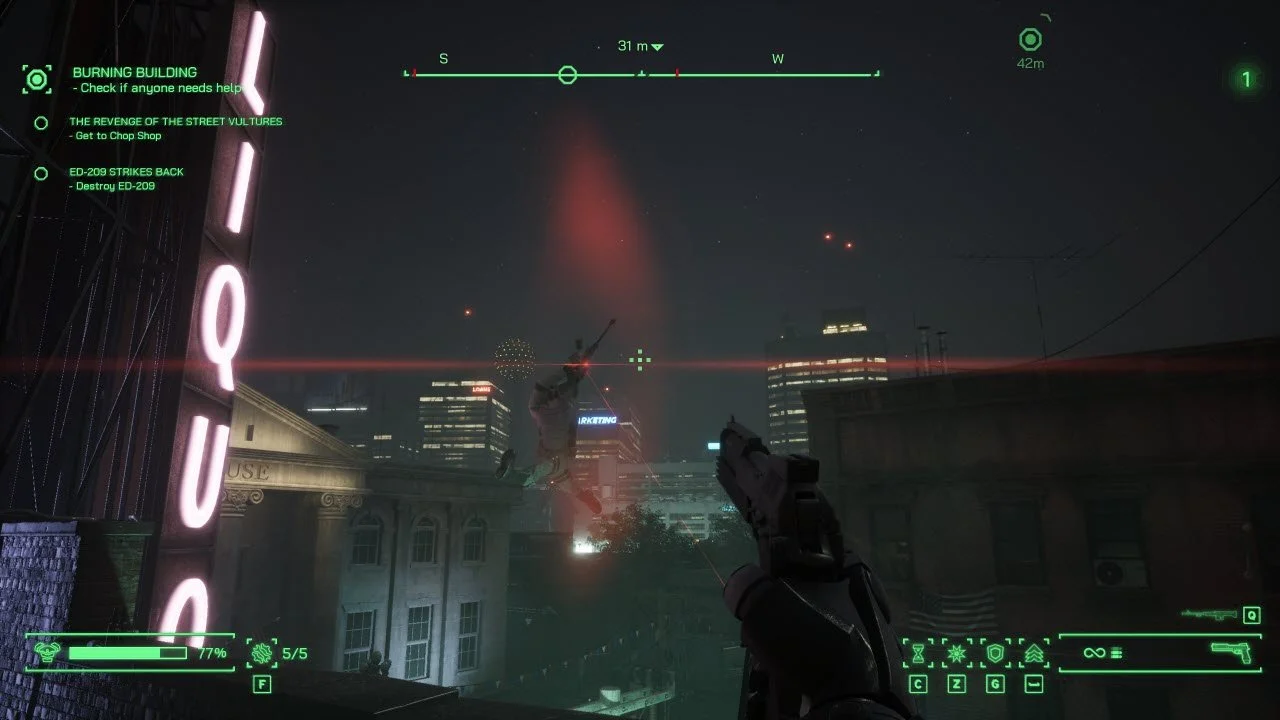
Image: Nacon
As for the sound, it’s another mixed bag. The voice actors do a decent job for the most part, with Peter Weller reprising his role and providing his likeness and voice as Robocop being the big highlight. Some of the voices of the enemies are goofy, but that’s kind of what I want in a Robocop game, since the world is a little over-the-top and eccentric.
The sound mixing is a little rough, though. Depending on where Robocop is facing or standing, you might get a lot of loud diegetic music from a radio blasting over the voice of an NPC you’re talking to. The guns sound good, but they’re definitely louder than everything else, so you might want to find a safe spot if you’re interested in dialogue. As for the music, it has the main theme, which is great, but I felt that the music just wasn’t doing enough in the background or during combat, so I just switched to my own music. If you’re curious, the playlist I made mostly consisted of the soundtracks from the Deus Ex games and The Ascent, as well as albums by The Prodigy, KMFDM, NIN, and Combichrist for the industrial techno sound.
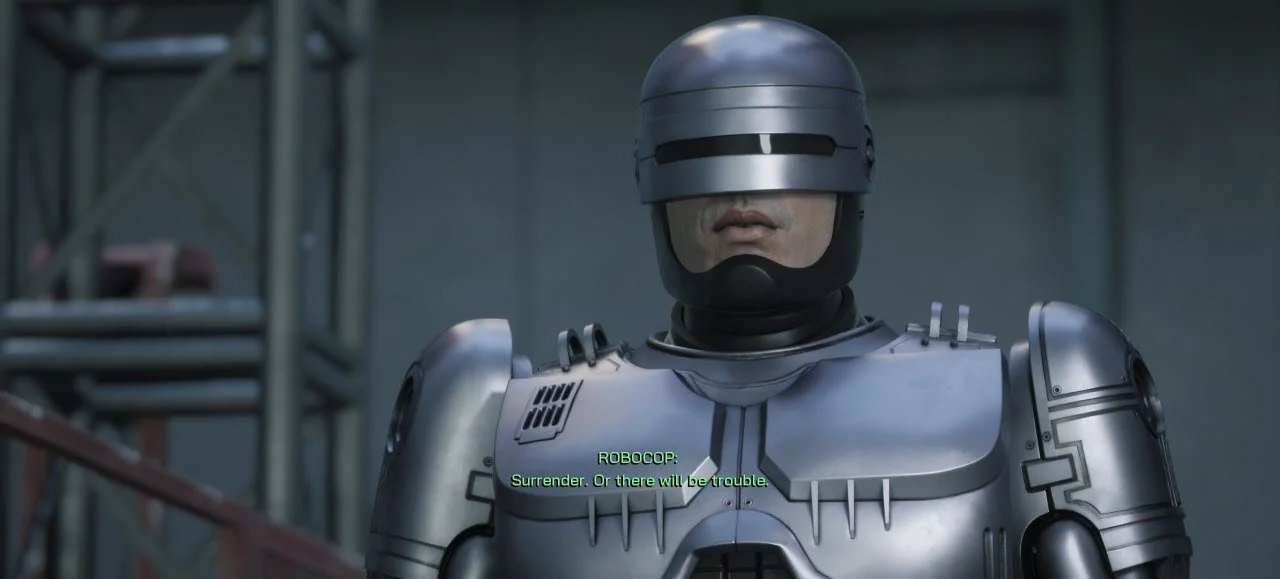
Image: Nacon
TL;DR
Robocop: Rogue City is a small game that is a little rough around the edges. However, it’s also an ambitious title that does a lot more than you would expect within its size and scope. If you’re a Robocop fan, there is a lot to like here. The gunplay is fun. The RPG and upgrade mechanics give you plenty of reason to explore and try out different strategies with Robocop. The story fits in as something you believed would happen in the Robocop universe after the events of Robocop 2. Having Peter Weller provide the face and voice of the character helps sell the story as well. I had a great time with it, despite its presentation issues and one particular mission. Considering that when it goes on sale, it’s often priced at less than $5, I’d say it’s worth the price of admission.


